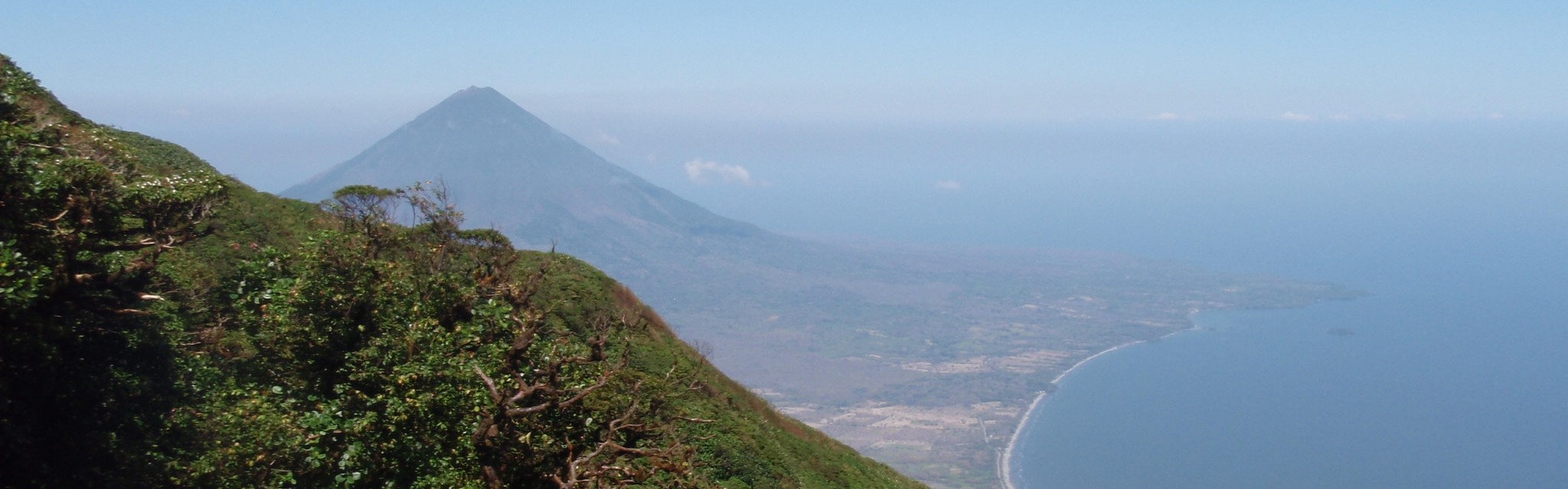
SOAKING UP THE SUN ON BRASIL’S NORTHEAST BEACHES
Chris and I ran along Recife’s 13 km beachside boardwalk but did not venture into the water, heeding the warning signs for sharks. We visited the old city, which was celebrating yet another festival. You can sense the trend that Brasil has many holidays. It was the festival of Saint John the Baptist with a street fair and fireworks.
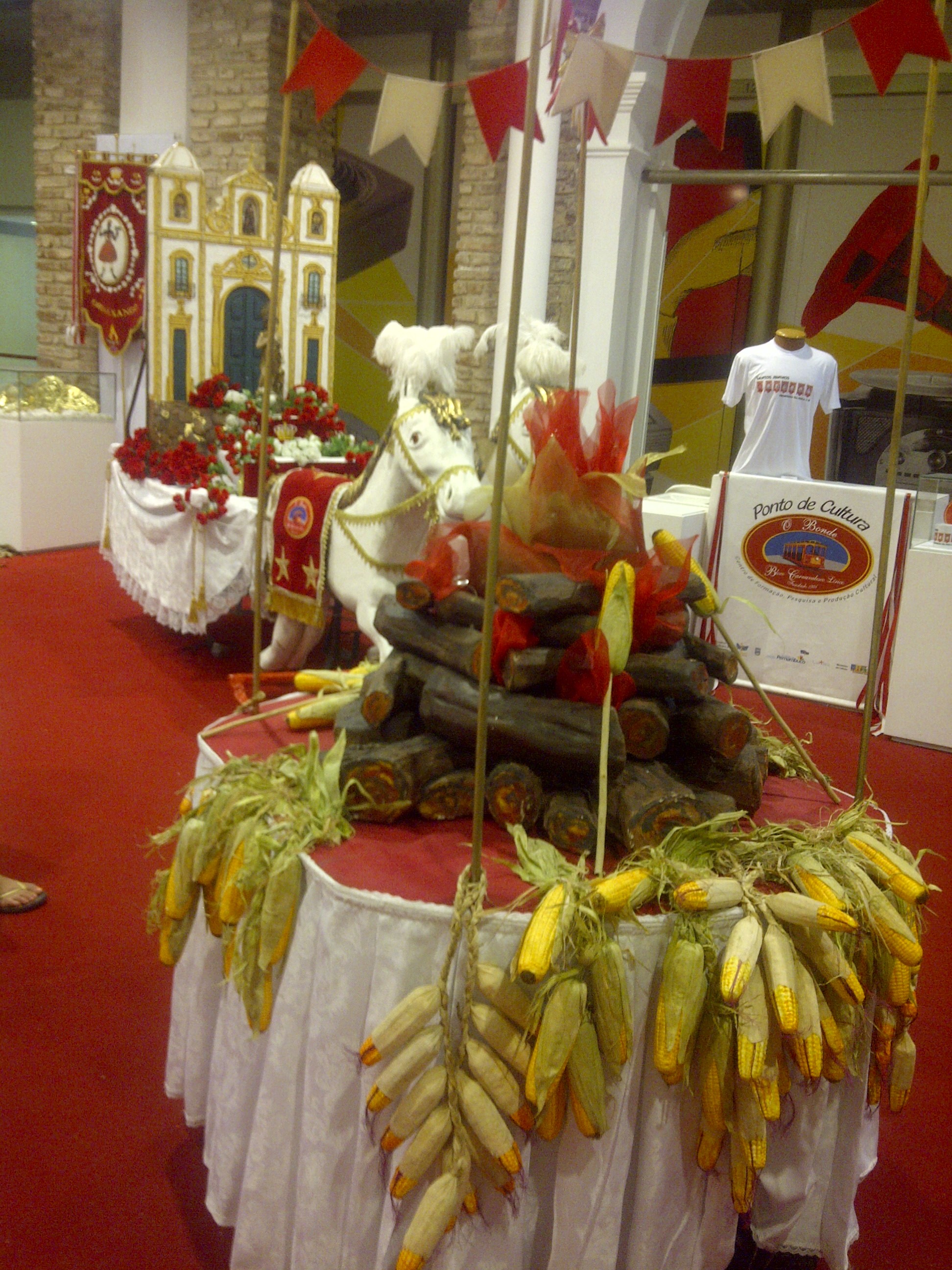
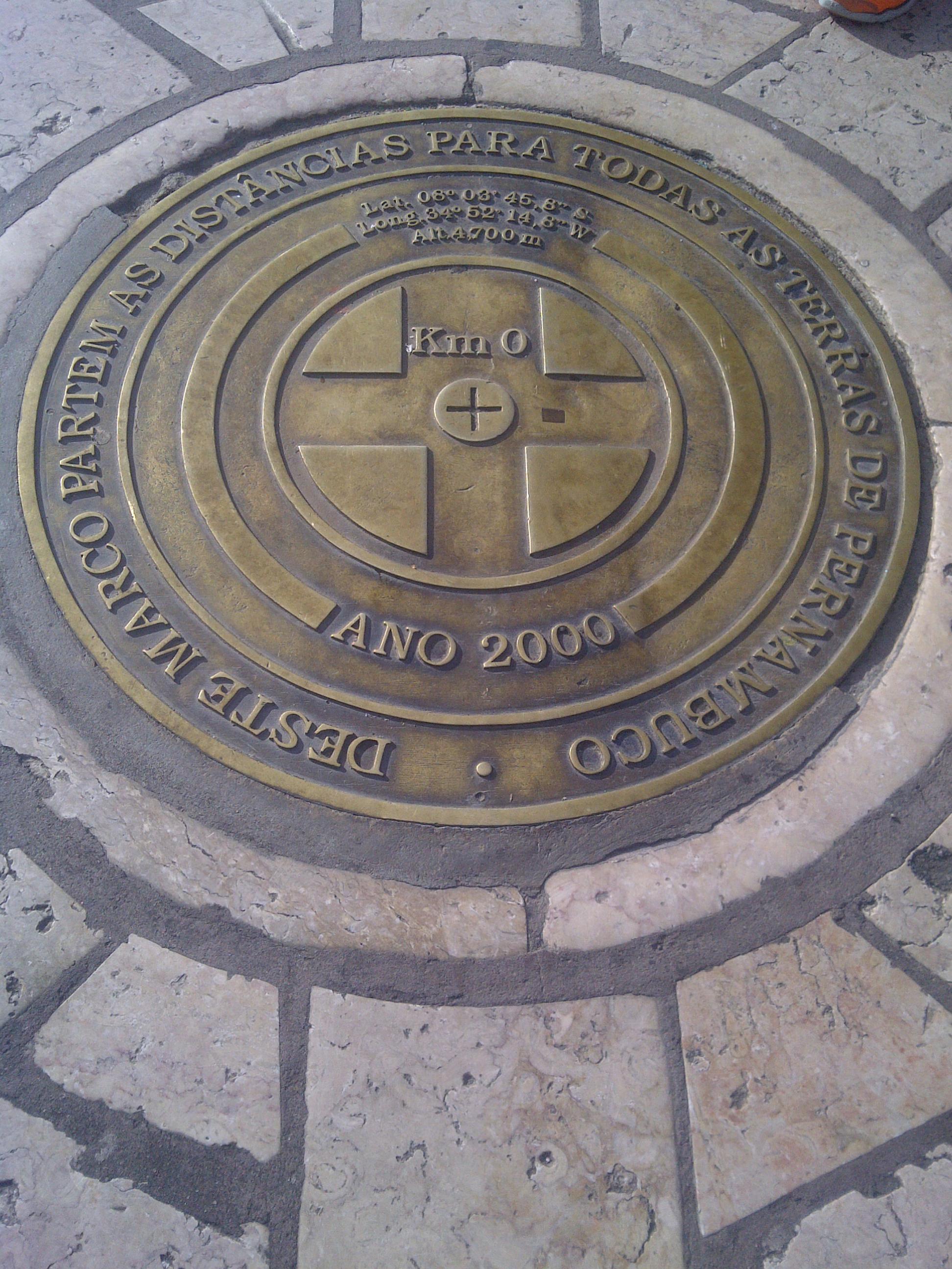
We saw the first Jewish mosque in Brasil, KM 0 of Pernambuco State, a mall with an ice rink and the culural center.
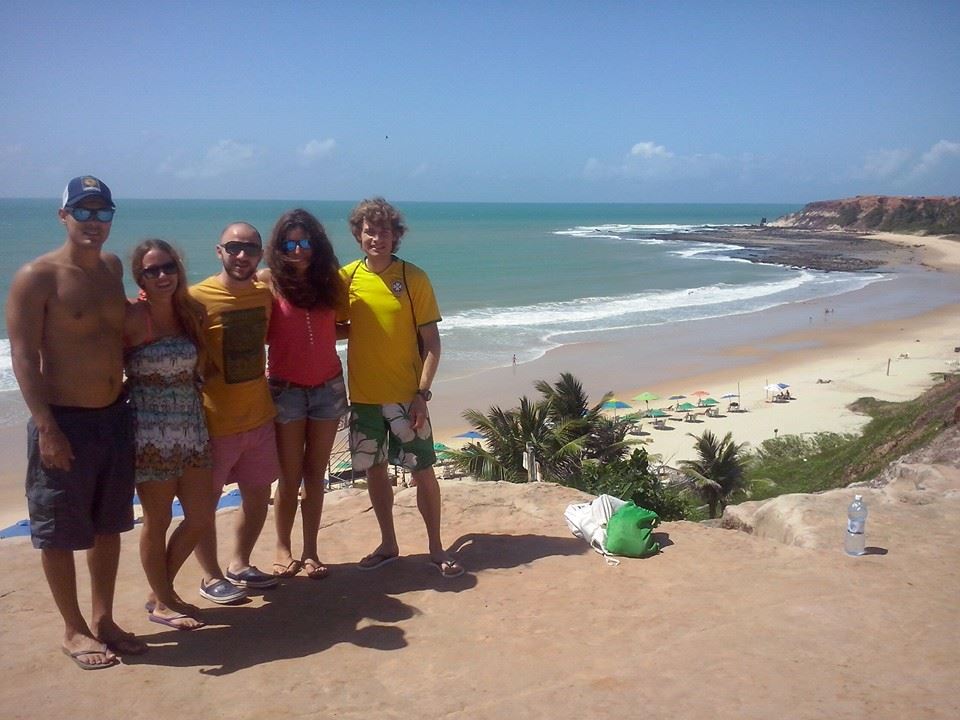
It wasn’t hard for Meli and Andrea to convince us to join them in Pipa near Natal. We swam the waves with dolphins at Dolphin Beach and enjoyed watching the sun set behind the forested hillside. You would never know Pipa were on the coast because of this vegetative barrier. We deecended back down to the water at Love beach, which had a lot of surfers. I rented a board and suit for an hour but the waves got the better of me. Some of the locals were making it look easy to walk on the sag line. I gave it a try but could not find my balance to go any further than 3 steps. I had a fun time trying, though. Before going out for the night, we made caipirinhas to preparty a little and take with us, since it essentially is a big street party. We walked up and down the street moving to the side to let the occassional car through and poped into a few bars and clubs to dancing in different clubs.
This was my 7th year not being in the USA to celebrate our independence on the 4th of July, fleeing the country shows much patriotism I know. But fear not we celebrated early on July 2 in Salvador, the independence for the state of Bahia, which begins the history of Brasil giving rise to the great cultural ttaditions celebrated in the country. The portuguese first arrived in 1510 when Diogo Alvares (Caramuru) established the settlement of Sao Salvador da Bahia da Todos os Santos becoming the first seat of Brazilian government in 1549 under Tome de Souza. The wealth of exports from this region inticed the Dutch to invade Bahia in 1624. They occupied Salvador for a year until a Portuguese-Spanish alliance forced them out. Salvador remained the capital of Brasil until 1763, when it moved to Rio de Janeiro. Brasil won its independence from Portugal in 1822 with the exception of Bahia, which came over a year later on this day in 1823.
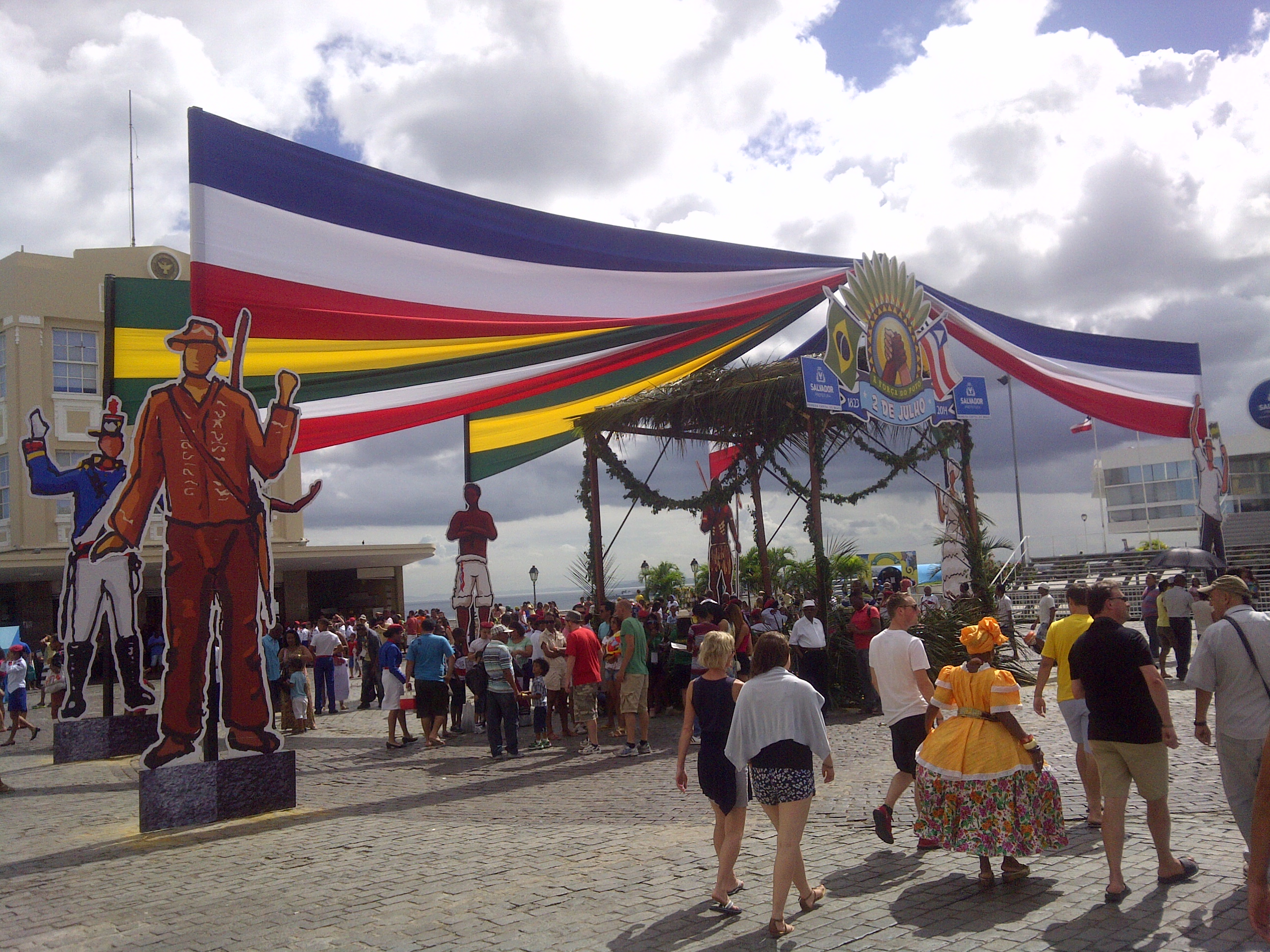
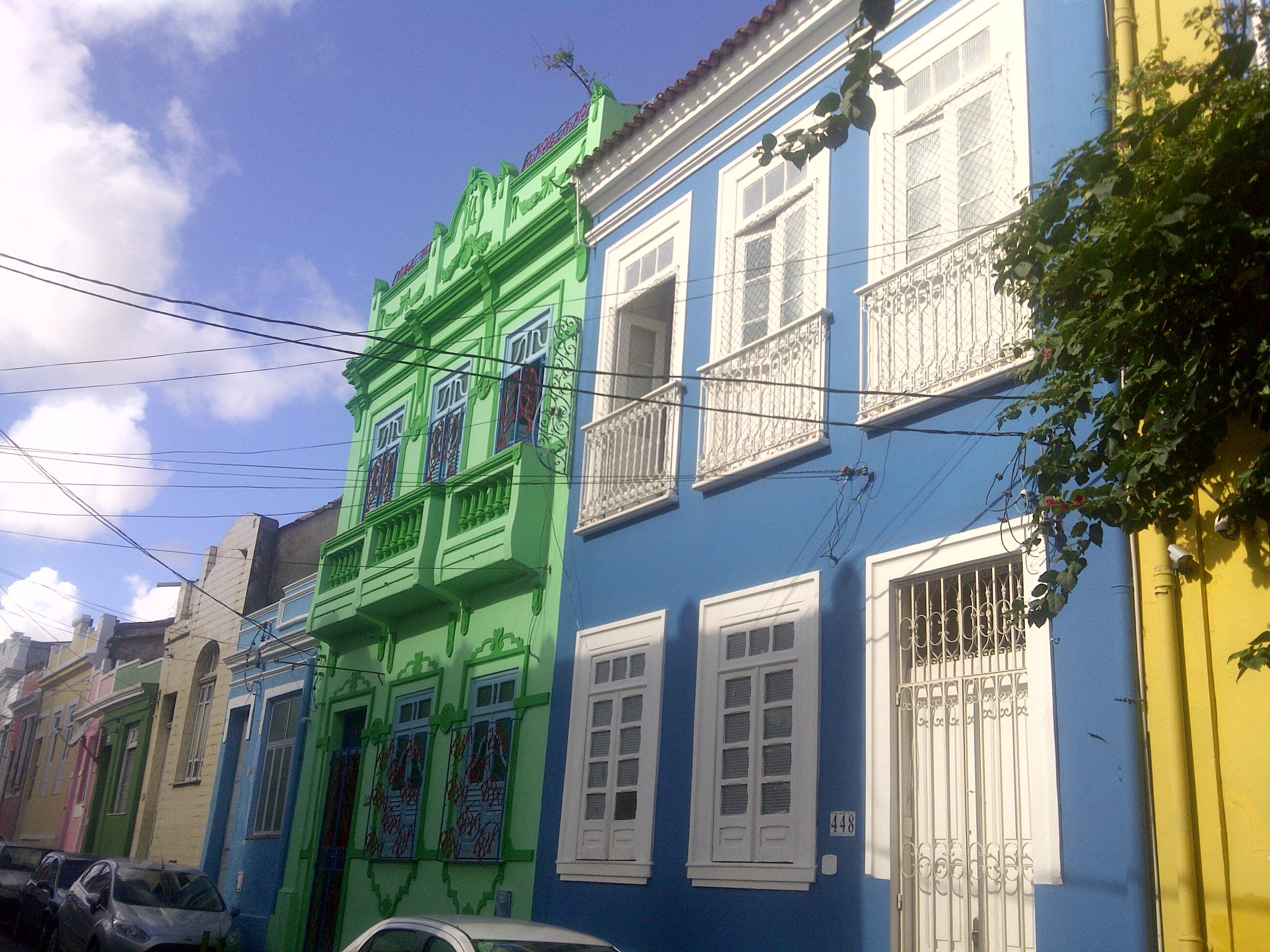
And what a celebration it was, Salvador, known as the capital of joy, is the birthplace of Carnival and they know how to throw a party. The streets of Salvador’s historical center, World Heritage Site, were decorated from bottom to top in many colors. Stands were set up with people selling food, drinks and souveneirs. Chris came to the conclusion that a lot of these vendors must work for the same business because they had the same signs and that beer was restocked by push cart from convenience stores. People stood outside on the balconies of colorful houses looking at the street party below. It’s just like what you see in The French Corner of New Orleans, or rather the other way around, since Salvador was likely first.
We watched performances of capoeira, candomblé, brass bands and dances. It would be interesting to have a battle of the bands between Brasil and a US university. The party continued well into the night with many live concerts.
candomble – http://youtu.be/jeDOZO8SDgE
brass band and dancers – http://youtu.be/ffzonCMP8Gw
concert – http://youtu.be/Snyfg2vxHlM
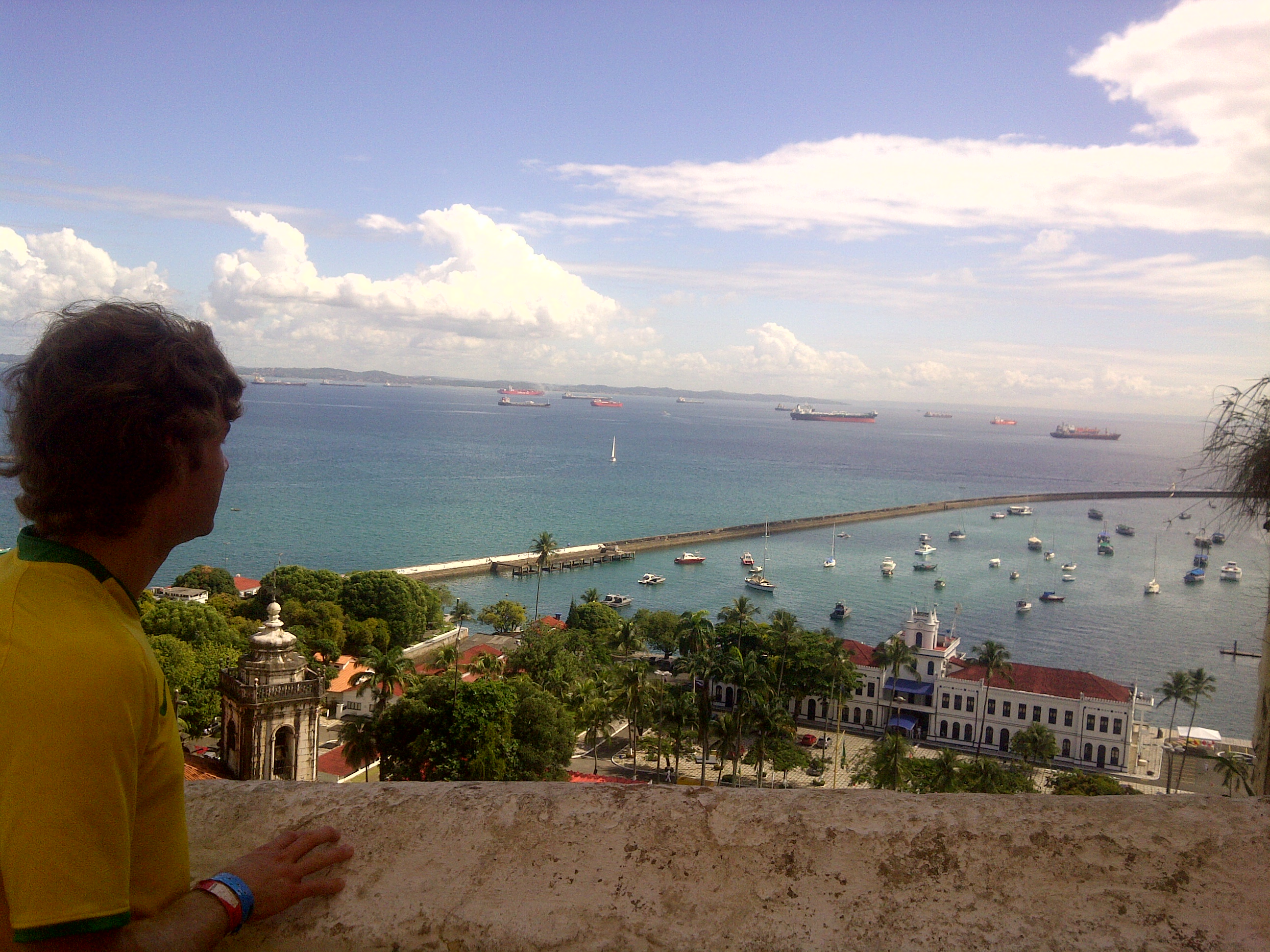
Salvador’s Lacerda Elevator links the old city and new city. Below in the new city we browsed through arts and crafts and foods in Market Model, the not-so-scenic port and the desserted downtown district. We walked back up enjoying the views of the Bay of All Saints, which reminded me of the Meiterranean coast.
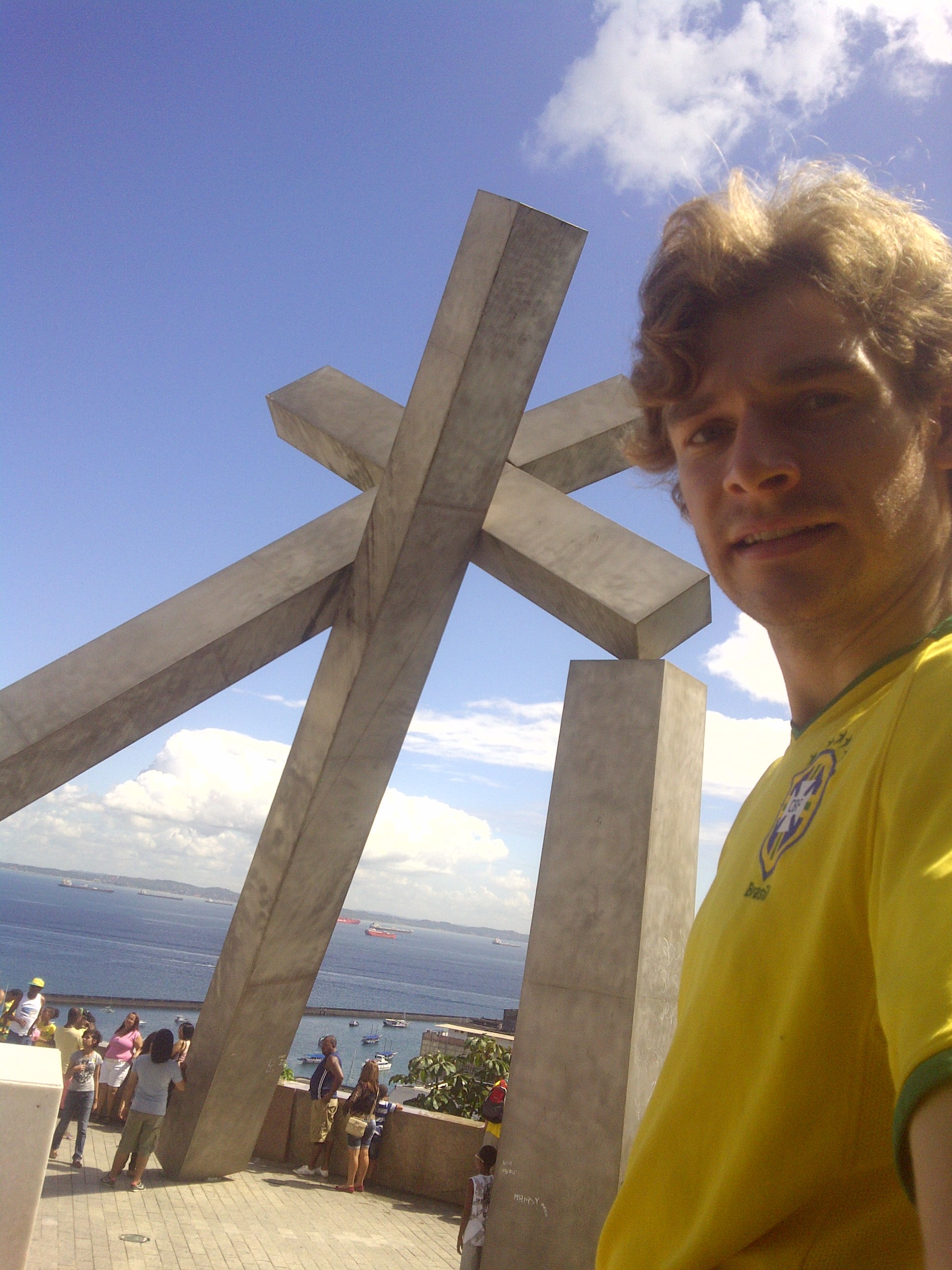
We finished our self guided sight seeing tour visiting Terreiro de Jesus, Pelourinho, and Iglesa Senhor do Bonfim.
 The Schwiet Life