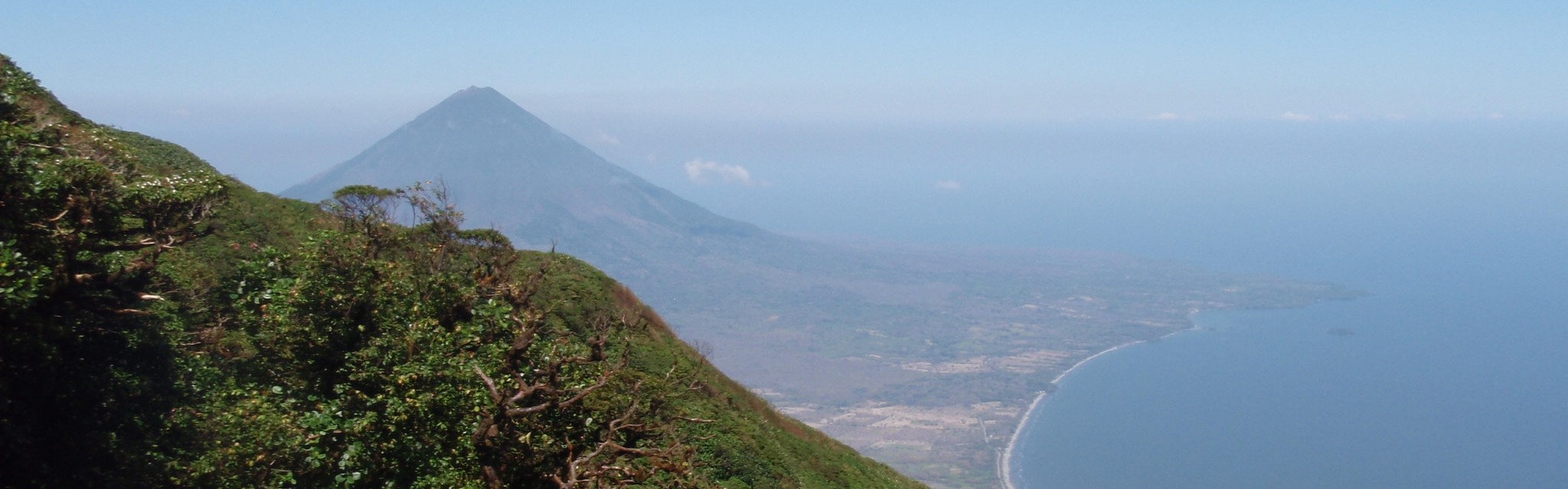

A sun dial in San Rafael, where my time flew by
I arranged a 2 week volunteer work-stay with Alejandro and Virginia at their wine farm in San Rafael of Mendoza, Argentina. The program from which I sought them out is World Wide Organization of Organic Farming (WWOOF). WWOOF began in Britain in an effort to support local organic farming through a global network that offers volunteer opportunities to travelers interested in learning and sharing cultures, lifestyles and organic cultivation techniques with local farmers. Alejandro and Virginia have been hosting volunteer workers for 20 years, the majority from Europe and some from Asia and North America. Most arrive eager to learn and help with the work around the farm but they have had a couple bad experiences with volunteers that do not speak Spanish nor were willing to learn and do not put forth the effort to help work. I very much looked forward to the experience and the 2 weeks flew by.
Ari is an Argentinian who volunteered on Finca la Rosendo during my first week. He has been volunteering at other Fincas in the area experiencing the ins and outs of wine with a goal of returning to the restaurant industry as a sommelier. He was an interesting fellow to work with and I enjoyed listening to his experiences. He is well learned in Chinese medicine and acupuncture. He has experience in the restaurant industry, picking up good cooking skills thus helping us prepare and plan vegetarian meals at the Finca. He brought along a very spicy chili sauce that we used to spice up his soy bean milanesa and hearty soups. We prepared a tasty salad from the wild arugula he picked from side of the road. I shared some peanut butter and brazilian fruit jelly sandwiches with him as snacks.

Wine bottles protruding from the adobe walls
We slept in a one room building about 50 meters west from the house. It was evident we were in a wine region with wine bottles embedded within the adobe walls. The building has a north facing window and covered entry door area on the west. These winter nights would dip below freezing, so we heated the interior by burning small wood logs in the stove that Alejandro had welded. We prepared breakfast on a small propane burner in our dwelling. We used a latrine about 5 meters off the northeast corner and fetched water from a tap about 5 meters off the southeast corner.
Our day would start with breakfast, I usually ate oatmeal mixed with homemade plum jelly, sometimes a fresh egg with toast. We met Alejandro and Virginia in the house for matte at 9am and received instructions for the day’s tasks. We worked through 12 or 1 to break for lunch followed by a siesta, during which I laid in my hammock enjoying the warm sun and cool breeze. We resumed work after reenergizing with a mug of hot coca tea around 3 then finish work around 6 or 7. We closed out the day preparing dinner, eating around 9 and went to bed around 10. We worked half days, Saturdays and Sundays were free days.

Taking a siesta on the finca

Bottles stacked in the wine cellar
Our tasks varied from preparing orders of wine to digging ditches. For the wine orders, we collected the required quantity of bottled wine from the cellar, polished the bottles, adhered the label and boxed them. Finca la Rosendo bottles 3 red wines, a rosado and a blanco, predominantly from the Syrah grape, all organic vinos naturales. The Criollo, my favorite, is a blend of the Criollo and Syrah grapes. The white is blend of the gimenez and torrontes grapes. We also boxed organic grape juice, which they bottled so concentrated that you would want to thin it with equal part water. We prepared and packaged orders of wine flour, to which I had not been previously introduced. Wine flour is basically finely ground dried pulps of fermented grapes. After fermentation the bunches of grapes are dried. We separated the stems and stalks leaving only the dried grapes, which we passed through the grinder twice, http://youtu.be/RZ3iM-X97lk. We weighed out 200 grams, then packaged it in a plastic bag, folding it over and stapling a label to it.

Wine flour, who knew?
My work experience and education in Civil Engineering involved the design and analysis of digging and cleaning out ditches. After my experiences at the finca, however, I gained a greater appreciation for the actual physical labor involved in reducing Manning’s ‘n’ value, establishing flow lines and top of banks. Shoveling and hauling dirt and debris was great cross training to complement the runs I would get lost on, like in the community’s hedge labyrinth, http://youtu.be/mOsGa0_0Db0. The Mendoza wine region is located in the arid highlands of the Andes receiving little rain. Thus ditches are throughout the community to convey irrigation water for the farms on a set schedule when the dikes are opened. It would have been neat to see a wier set in place to flood a field but it is not the growing season.

Digging Ditches – Before and after – even the rooster helped claw as he got fat off of worms

We collected firewood from the neighboring finca’s pruning of plum trees and cutting down dead trees along the side of the road. The dead tree limbs snapped easily but the pruned plum limbs were still green and scratched my arms and wrists raw while loading them onto the tractor and trailer, even with long sleeves. I am to warn the next WWOOFer coming in March that large piles of firewood are waiting to be chopped down to size. We use firewood for cooking tasty soups in a cast iron pot in the house fireplace and bake fresh loaves of bread and toasty pizzas in the outdoor brick oven.

Collecting and hauling firewood for staying warm and cooking tasty soups and pizzas

The indoor fireplace served for warmth and cooking tasty soups, like locro


Ari attends the outdoor oven to bake toasty pizzas

No farm is complete without a garden, so we did a lot of work preparing for the growing season. Alejandro and Virginia had a fenced in area with 12 plots for growing their vegetables like lettuce, potatoes, carrots, tomatoes, squash and beets. Despite the frozen ground, we weeded the plots and turned the ground over with rich mulch from leaves, chicken droppings and other organic compost, just like dad’s garden back home. Alejandro tilled a larger open plot with the tractor for us to plant garlic, corn and beans.
The kitchen table was the center of work, food and socializing. They played music in the background from their laptop’s album collection. If the electricity was out, Alejandro would fill in, since he always had a song in his head and would hum or sing while he worked. Our conversations covered all topics from our families to politics, pop culture, history, health and economy. I shared a lot about American life but also learned a lot about American TV, music and films since I am not too familiar with those. Their two dogs embody the definition of man’s best friend and would follow them to the ends of the Earth. For fun they chase the hens and roosters that range freely throughout the day clucking, crowing and pecking around for grub worms seeds and grains.

Super poncho sometimes hung out with me in my hammock

Soaking in the afternoon sun
On Friday night Ari and I joined Alejandro for a ‘junta’ to meet his friends sharing some snacks and wine. We met in a cool building in the middle of some farm field. It was circular with a conical thatched roof and walls constructed of adobe with wine bottles. His friends brought a variety of instruments, string, wind and percussion that we could pick up and play. Some were really talented on the sax, guitar and trumpet. I took a quick lesson on the guitar but primarily stuck with the percussion instruments playing to the feel of the beat. Our music is a long way from being recorded, but a fun way to unwind after the work week http://youtu.be/zWbCwDEs0UU

On my Sunday off I literally ran the 20 kilometers into San Rafael to take a bus to the Las Lenas ski resort to check off another continent on which I have skied, leaving Europe, Africa, Oceania and Antarctica. I enjoyed my day of skiing after a 2 year hiatus. http://youtu.be/ZuUpEbLkfwY The sun was shining brightly, so I got by without renting ski clothes and wearing the atypical warm gear I packed. Elisa’s balaclava kept me warm under my rain jacket and I managed to stay upright on the skis, keeping my thick-lined running tights dry until I challenged myself on the last run down. Afterwards, I cooled off with an Andes beer thanks to Patsy.

Virginia left for a wine competition event and would not return before I left so we said our goodbyes early. During the prior week, they had imprinted the finca’s leaf logo on towelettes dyed with their wine to hand out and sell at the event to market their event. On my final day, Alejandro drove me around for a tour of San Rafael, picking up fruit trees and a load of meat to grill for a typical Argentine asado in the back of the finca. I got to try their Rose from the barrel my last day at the Finca with the great array of meat, served in the traditional style on wooden boards, an authentic send off.

Rose wine from the barrel

An Argentine Asado

Joe, Virginia and Alejandro
From Mendoza I boarded a bus with the O’Higgins bus company, which took us across the Andes mountains into Santiago de Chile by way of Los Libertadores highway. I gazed out the window watching the gradually changing landscape as we ascended from the high planes into the mountains. A clear blue, mineral-rich spring-sourced river rushed around bends and crashed over boulders. White water rafting stations flanked the banks but were closed waiting for higher flows from the melting snow during the spring and summer months. Arid vegetated zones colored orange, red and yellow from mineral rocks were soon speckled white with a dusting of ice and snow. The blanket of snow got thicker and covered more of the mountainside as we ascended the switchbacks from which the route offered picturesque views of the Andes including, the Western Hemisphere’s highest peak, Aconcagua at 6,962m (22,841ft).


I took the same O’Higgins bus company back to Mendoza, where I noticed a street named O’Higgins leaving me to question this name’s significance in Argentine history. After a little research I learned he was among ‘Los Libertadores’ during the war for Latin Independence in 18th and 19th centuries. In fact, http://www.loslibertadores.net/films.php is a series of films that documents the herioic leaders of Jose Marti (Cuba), Jose de San Martin (Argentina), Jose Artiga (Uruguay), El Cura Hidalgo (Mexico), Tiradentes (Brazil), Bernardo O’Higgins (Argentina), Tupac Amaru (Peru) and Simon Bolivar (Venezuela, Colombia). Ironicaly, much of their education and training was formed while abroad in Europe, such as Spain from whose rule they fought independence. O’Higgins served as a general for the Chilean Nationalist army fighting for their independence from the Spanish Royalists. With his close ties to General San Martin from Argentina, San Martin led 7,000 troops from Mendoza across the Andes to where he met with O’Higgins’ forces to oust the Spanish rule. O’Higgins took leadership of an independent Chile, first as a dictatorship in 1817, then as a republic in 1818. Thus giving a historical meaning to the name of the bus company and highway across the mountains.

Memorial for those who fought for Independence
Mendoza is the biggest city in the region, best known for its countless vineyards and production of wine. I had a few stop overs in Mendoza giving me a chance to explore the city. My first time through was on a Sunday. Other than church the city was a ghost town. I did visit the history museum with a ticket that also admitted me to the aquarium and cultural center. There was an international film festival, that day with a free viewing of the dutch film ‘Rotterdam Maraton’. It attracted a run-centric audience and we all found it to be funny. On a weekday morning, I saw the usual rush to work and school routine. It seems easy to eat and do all your shopping during your commute with bike street vendors selling everything from hot and cold drinks to baked goods and kiosks selling everything from flowers to electronics.

The plaza outside the History Museum

Restored Spanish mission

The Governor’s Palace lit up in the Argentinian colors, Blue and White

Wine barrels and grape vines are signs around the city that you are in Argentina’s wine region


Receiving leavened bread rolls after mass in honor of St. Anthony feast day
My trip is still young and I have learned and experienced so much, but once an explorer/adventure traveler always one, and I find myself adding on to my list of excursions to knockout, such as returning in a warmer season to climb atop Aconcagua, tour the glacial masses of Patagonia further south and go white water rafting.

A street lined with Platano trees at sunrise, symbolizing my round-the-world trip of enlightenment
My first night in Buenos Aires was a flashback to my first night in Paris 6 years ago, no accommodation. Apparently hostels in Buenos Aires don’t keep reservations placed over the phone, so I wandered the streets of the historic San Thelmo District asking various other hostels until a cyclist, back from his bartending job, saw me and asked if I was lost. I explained my situation and he offered me the floor in his apartment. Given the cold and rainy weather, I accepted his offer for the warm and dry place to rest. Felipe and I chatted for a while before turning in. He was a mechanical engineer from Colombia, bike commuter and adventure traveler, hoping to do a world trip like I am doing. We had plenty to talk about, given our similar interests, so we resumed the next morning while he showed me around the area, helping me find a hostel and eating at one of his favorite Italian lunch dives.

Found an antique car while wandering the streets

Sun goes down over Buenos Aires
Like Paris, Buenos Aires is a romantic city from starting the day with a fresh cup of coffee along a cobblestone street to ending it on the dance floor with Tango. The coast is never too far to enjoy a casual stroll along Mar de Plata listening to the crash of waves and feeling the cool breeze. Rent a city bike for the day and ride through the neighborhoods looking at architecture, gardens, historical monuments and art, then cool off with a gelato and shop til you drop at street markets. Browse pages upon pages of wine lists at a fine restaurant from numerous available international cuisines. Music and dancing are popular throughout the day and night in halls and on the street, especially the case for Tango and milongas.

The Pope, Messi and Tango were themes all around the city.

Dancing in the streets

An island within the Delta
I didn’t have time for an escape to Uruguay, so I took the train to Tigre to visit the islands created by the branching out of the Parana River delta for a day. As an engineer with riverine hydraulic experience, I took interest in that it is one of the largest deltas in the world and the only one that does not empty into a sea, but rather into Rio de la Plata, which is the river dividing Uruguay and Argentina. It was a quaint town, much calmer than the city life of Buenos Aires, probably to the effect of Amsterdam or Venice. It offered many kid-friendly activities, therefore a nice getaway for families living in Buenos Aires. Along with commercial trade, Catamaran tours of the islands are big business, so I bought a ticket. Among the islands of family dwellings were a lot of islands for rowing clubs and hotels. It would be fun to spend a weekend out here rowing. Returning to the dock I saw a theme park with roller coasters and games that would be popular for kids. I walked around the town and took interest in the Matte Museum. The curators collected mattes from around the world and from special occasions, which told the history of the traditional social drink. They showed a short film walking through the process involved from cultivation to distribution.

Estacion Tigre, where jaguars once hunted

Tea time
“Cambio, cambio, cambio” echoed down Avenida Florida from ‘independent investors’. The Argentine Peso has a history of an unstable, volatile and bad economic market. The most recent financial crisis was in 2001 when people’s bank accounts were frozen and they could not make withdrawals, leaving people to rely on a barter system. This has caused many people to lose trust in their economy and they prefer buying more stable foreign currencies like the USD, Euro, and Brasilian Reis for more than the current exchange rate. This can be a great deal for a foreign traveler but beware you receive true Pesos since the transaction is not certified by an agency. Aside from the unstable economy, the government offers little to no cost higher education and training opportunities to students. Also, the free healthcare is great, which I used at a hospital in Mendoza to treat a stomach virus.

Praying for our Pope
From what I’ve observed, the Argentinian culture is very communal. Like Felipe, they are very amicable and offer to help in any way, shape or form. Family always comes first. If someone falls ill, they will pull together to help bring them to health and pitch in with their usual tasks. Business gets done, but the work schedule seems low stress, starting after a leisurely coffee and breakfast, then a lengthy lunch break and siesta culminating in the evening to go home for a late dinner. Sundays are a rest day, on which day I enjoyed a church service at the Cathedral where Pope Francis served prior to his pontification in The Vatican. http://youtu.be/BRrm4djn2-c Beer is poured in tasting cups or passed around as it is commonly sold in 1L bottles. Matte is a traditional loose leaf tea that is served in concentrated small amounts from a gourd mug and sipped through a metal straw filter. The matte is refilled with hot water from a thermos and passed around.
Among sites I really enjoyed was walking ‘El Paseo de la Historieta’ lined with characters from famous Argentine comics starting with Maltalda. Each was sculpted as a tribute to how these characters brought to life Argentine culture and changed history. There were a lot of other great art sculptures, including the Floralis Genérica (a steel and aluminum constructed rose) and a statue garden across road. The Recoleta Cemetery had an impressive number of sculptures lining rows and rows of towering tombs as resting places for some of Argentina’s most important political, military and intellectual people. http://youtu.be/LYvPk8H3Q9Y Next to the cemetery is the Monastery of Saint Catherine of Siena, founded in 1745 and considered a world monument being the first to house cloistered nuns in Buenos Aires.


A little comedic relief

Stop to smell the flowers


Jesus reigns in Argentina
The well known multicolored houses of La Boca District were painted as such depending on the excess paint available from the ships at the port. Also in La Boca is the famed Boca Junior soccer stadium, where many great players have gotten their start. The ‘Casa Rosada’ is the presidential mansion, perhaps colored pink from dried cow’s blood or the blending of white and red colors of the Federalist and Unitarist political parties. An Odalisque stands at one end of the widest avenue of the world. I can imagine the amount of planning involved from a civil engineering perspective. Of course no visit to Buenos Aires is complete without a visit to Las Bellas Artes. I browsed galleries from famous artists such as, van Gough, Manet, Rubens, El Greco, Rembrandt and Picasso.


Colors of the rainbow, leftovers from the ships

La Casa Rosada
The bus ride on Los Liberatadores mountain passage between Mendoza and Santiago offered breath-taking views of the Andes Mountains, valleys, streams, tunnels, railway and villages. Snow blanketed the sides of the road to the mountain tops as we wrapped around the switchbacks. Crystal clear and cold streams rushed down from the melting snow and ice. I tried my best to capture the beauty from inside the bus, though I wish I could stop the bus and take pictures. It took us 1.5 hours to wait in line to pass through customs and migration officers.
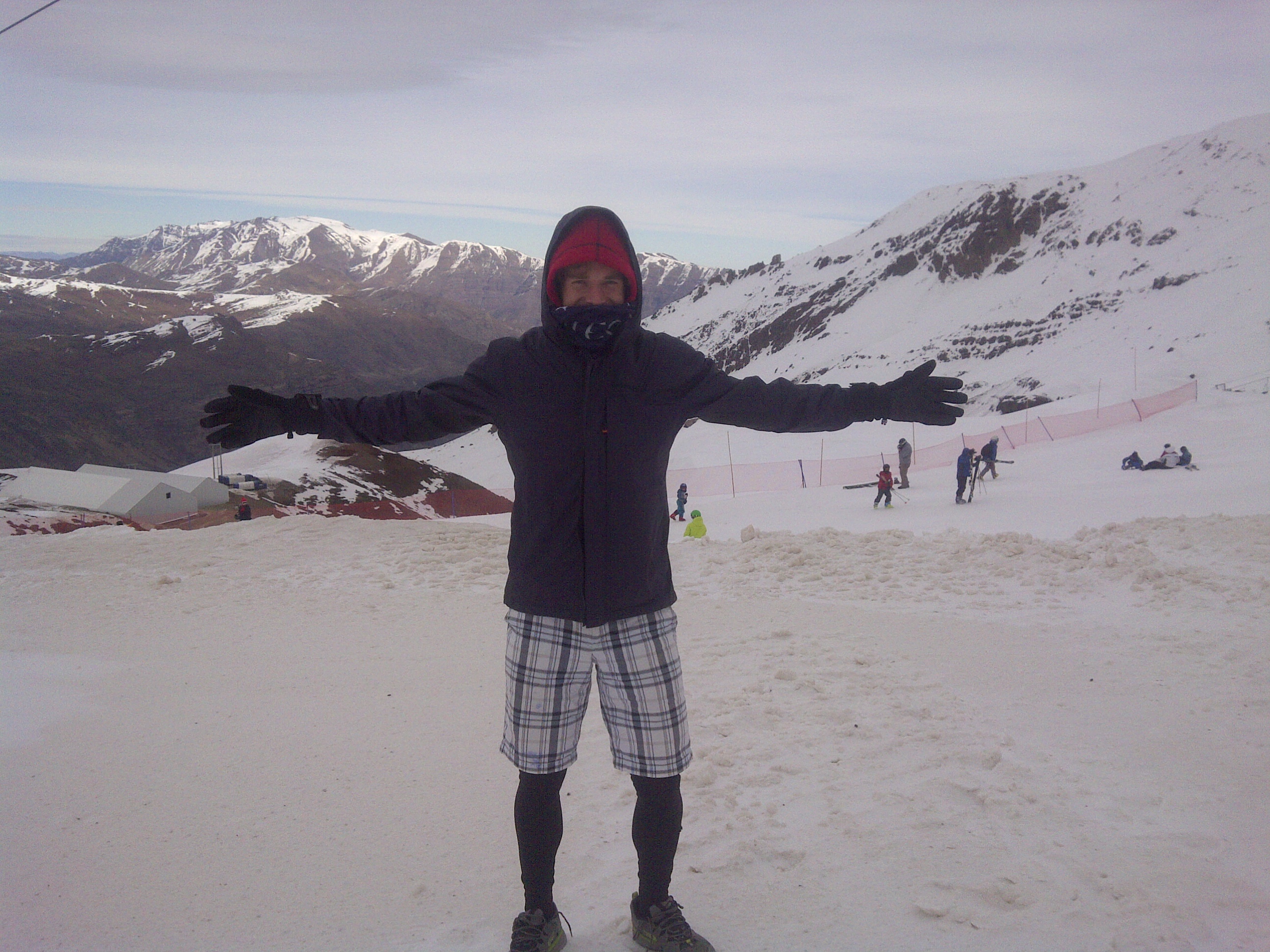
Ricardo drove me up into the mountains for some fun in the snow at the Colorado and Valle Nevado ski resorts. It felt like it should be Christmas, so I asked Ricardo how they celebrate Christmas, since it’s during their summer. Brazilians flock to the beaches but the Pacific waters are still cold along Chile’s coast. Chile has adopted much of USA’s culture, including Christmas. They sing the same songs and Santa wears the same outfit on a sleigh as north of the equator. On the topic of similarities, Chileans work the same typical 8-hours with 2 weeks PTO, 2 weeks of holiday and 1 week sick leave. Unlike other latin american neighborhoods that are lined with concrete walls and houses built one next to the other, Santiago’s neighborhoods are more open with houses and yards, like what you see in a typical US neighborhood. Walmart has made its way into Chile under the name of ´Lider´ as well as big home improvement, department and furniture stores,
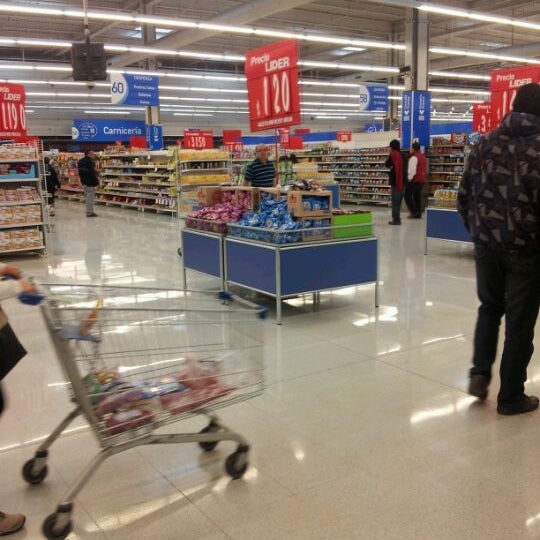
Santiago, Chile is unlike other Latin American cities I have come to know. In fact it resembles more of a North American city. Houses are built on plots of land in neighborhoods with yards and gardens between the foot and street and only a fence dividing eachother instead of tall walls with broken glass or barbed wire. This standard of living has been realized in the last 20 years when the government was transformed to reduce corruption and strengthen the national economy. Each district of Santiago acts as a small city with its own elected representatives who maintain the daily operations. For this reason Chileans pay more taxes but it appears they receive better services in return. Another difference I noted were their police, whom they call Carabineros. They are highly trained and are not corrupt, accepting no bribes.

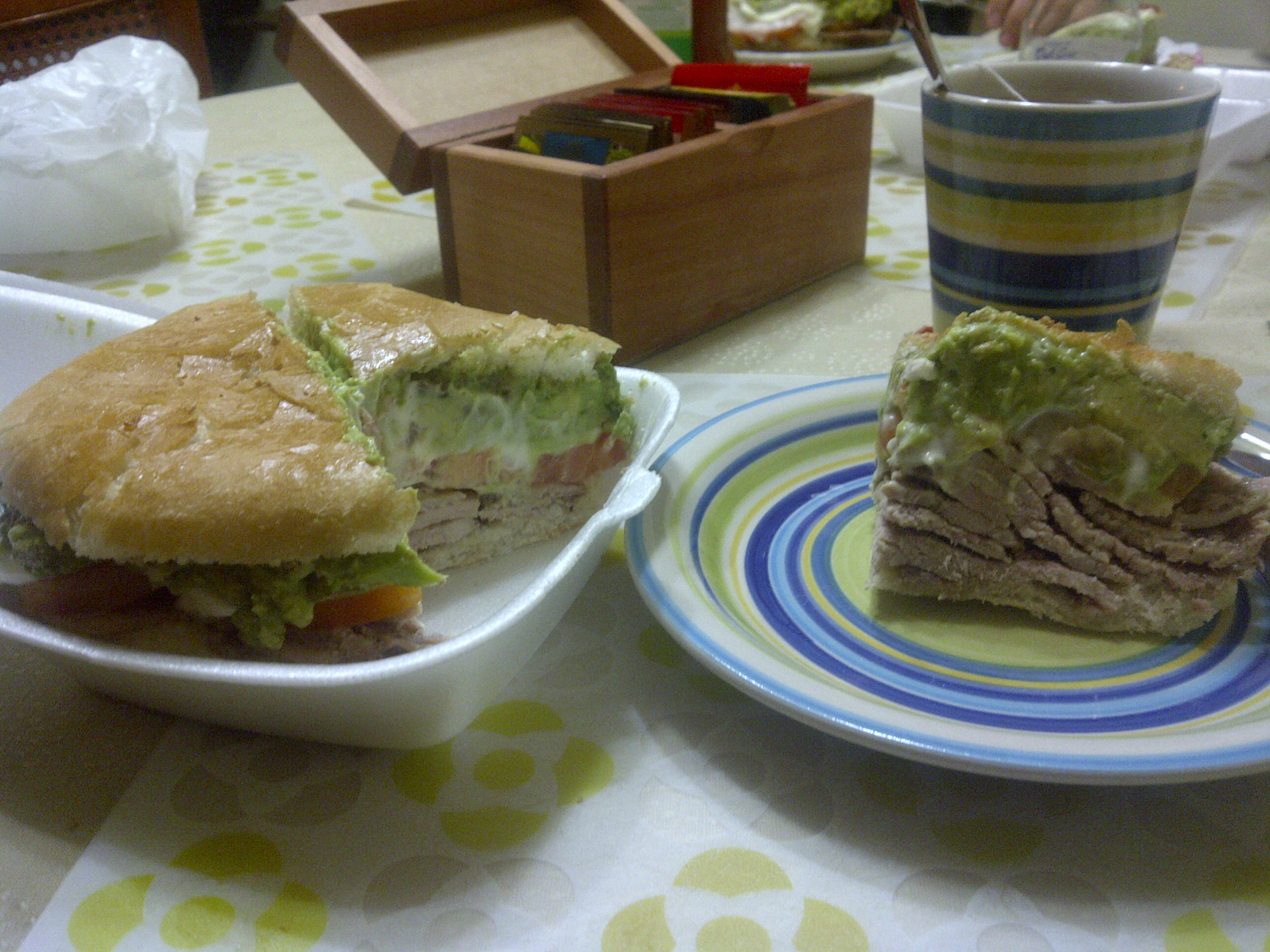
Many US fast food restaurants have caught on but some of Chile’s original fast food type restaurants remain popular. We made a quick stop at El Tio Manolo, famous for it’s big sanwiches. Ricardo recommended the Lomito Italiano, a pork sandwich piled high with tomatoe, avocado and homemade mayo. Called Italian, not for the flavor of the ingredients but for their colors, red, white and green. Just as the Chilean flag is similar to Texas, so too do the sizes of their sandwiches measure up to BBQ sandwiches from Texas where everything is bigger. We ordered another couple sandwiches to treat Karen. We enjoyed eachother’s company listening to latin beats and classic tunes Googling images of Chile’s natural wonders, namely Patagpnia and Easter Island. With that I said my farewell, hoping to return again soon.
 The Schwiet Life