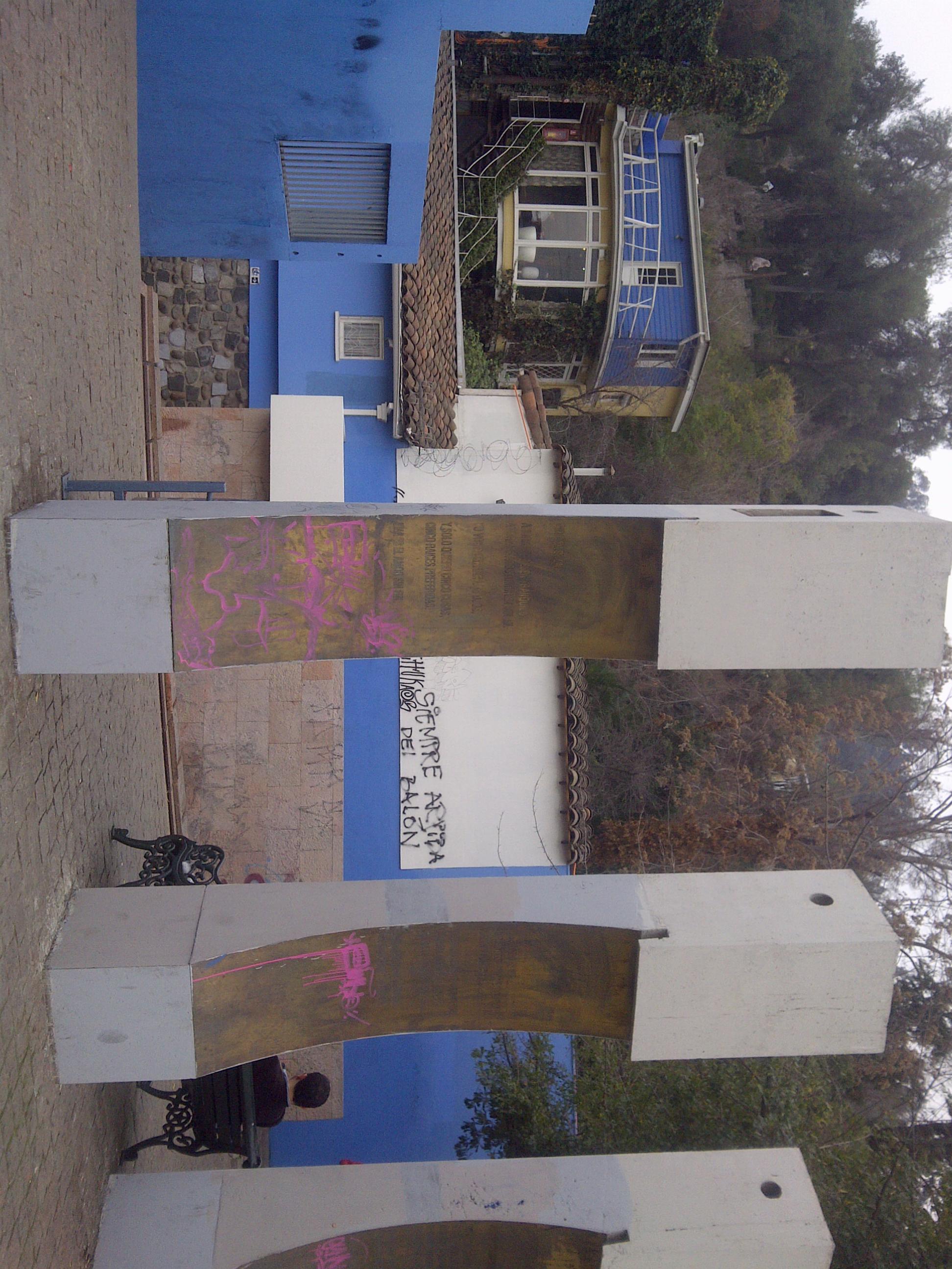
Generally I would lace up my running shoes and visit most all the city sights in one day, but feeling ill, I took a slower approach and visited the center of Santiago a few times. In La Zona Bellavista, I visited La Casa Museo La Chascona, one of the 3 interesting houses of Pabo Neruda, a Chilean poet of the early 1900s whose national and worldwide influence earned him a Nobel Peace Prize in 1971. The house was very interesting, built in Naval architecture for his love of the sea and named after his wife. He enjoyed entertaining guests so much that he installed a trap door behind a bookcase for an element of surprise. The house is furnished decorated with collections he brought back from his travels around the world.
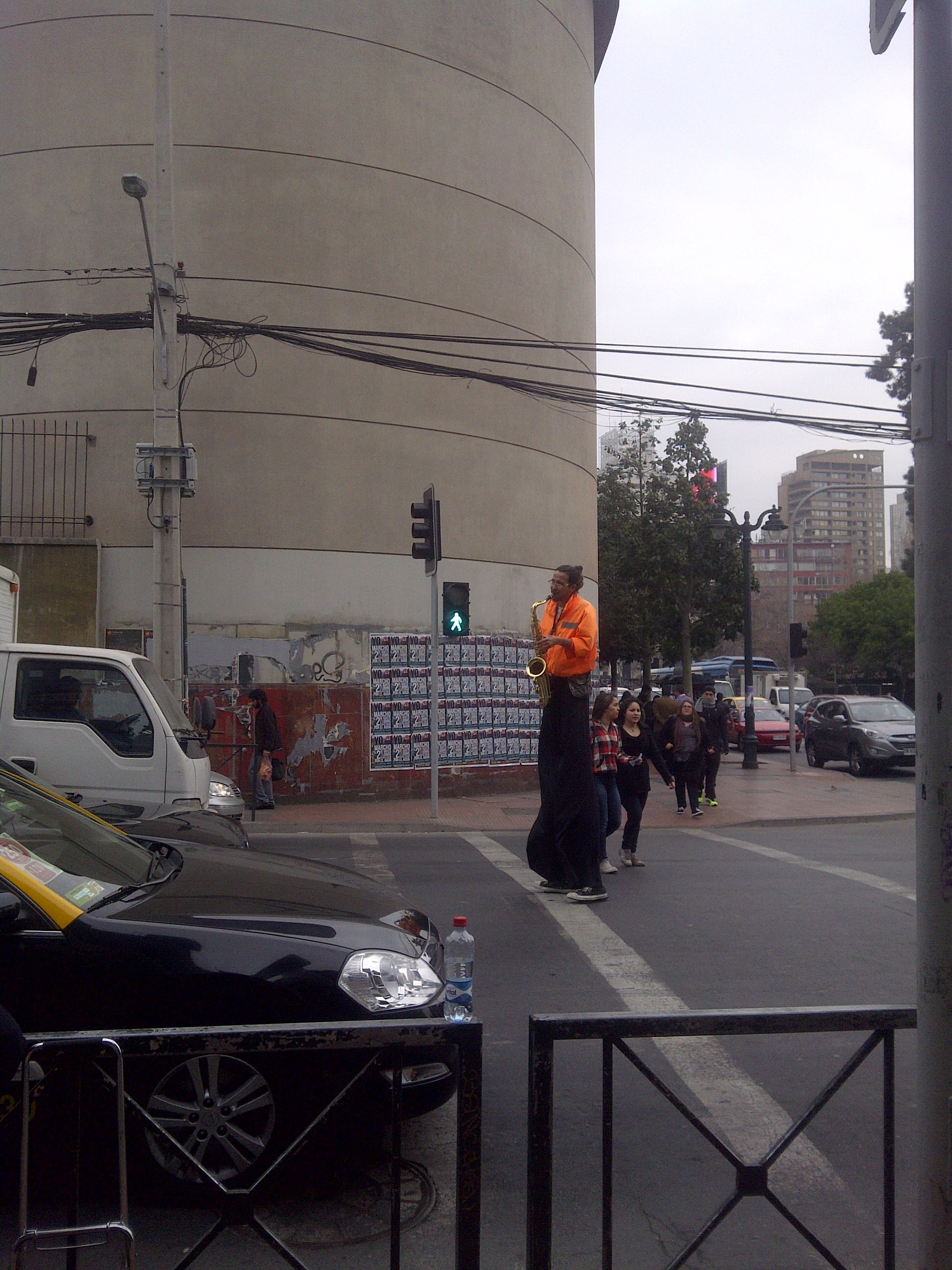
I continued my tour of Bellavista walking through the streets lined with restaurants, pubs, cafes, theaters, street performers and live music, definitely an entertainment district by day and night. This sax performer on stilts gave new meaning to Alto Sax
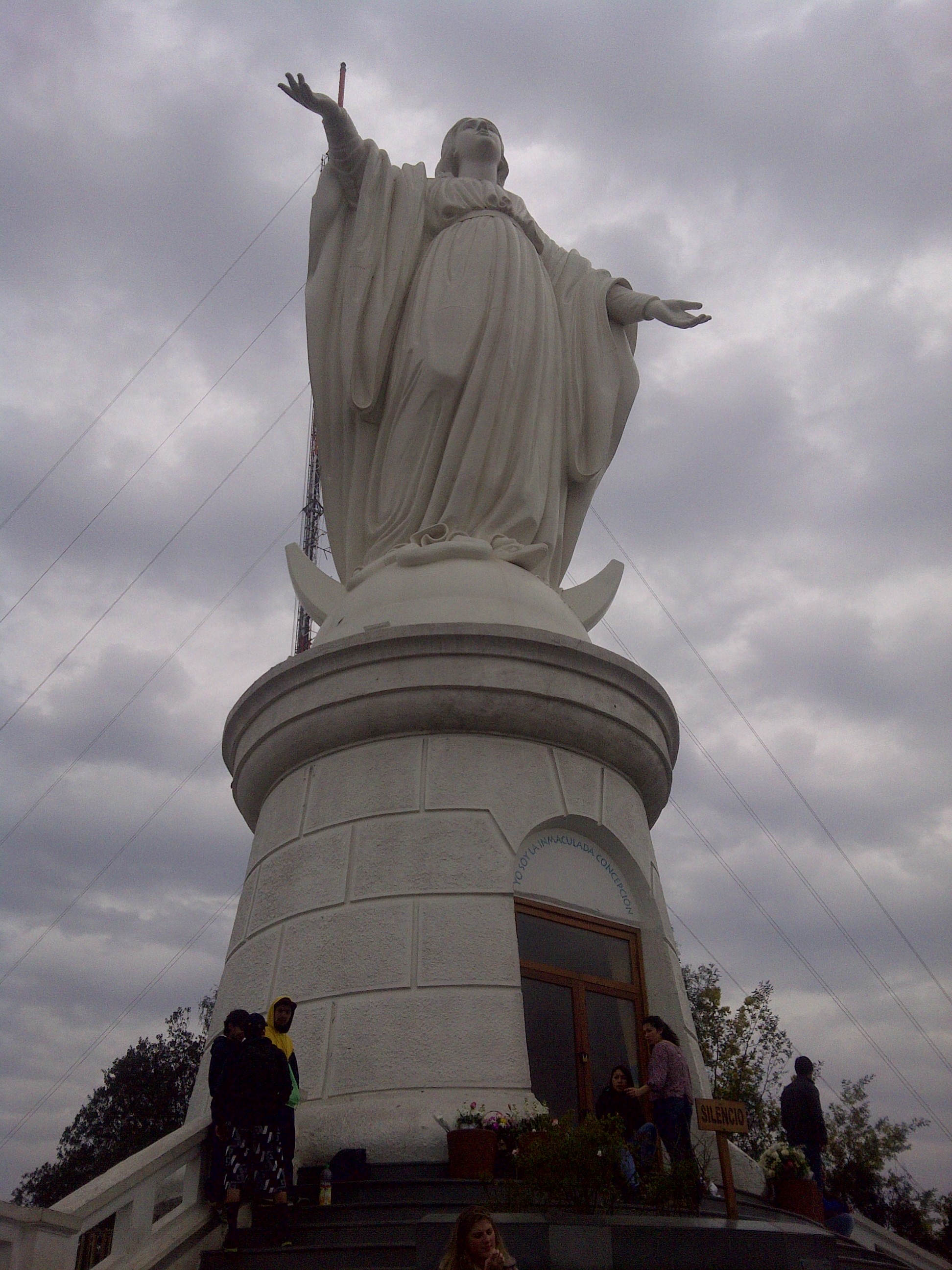
I took the funicular (the Italian-built cable car) up Cerro San Cristobal, located in Parque Metropolitano with a zoo, gardens, lakes and many more outdoor activities. Chileans claim that Brazil may have Jesus Christ in Rio, but they have his Mother. It was a peaceful place, with many places to pray and meditate at the foot of Virgen de la Inmaculat Concepcion, an outdoor alter from where Pope John Paul II celebrated mass in 1984, a chappel and a memorial. I took the opportunity to pray the Rosarie for the Ciattos and Aunt Margi, who passed away that week after a long and hard fought with cancer. I will miss her dearly and will carry her in memory during my trip, for which she was a big fan.
I visited La Zona Lastarria, where I partook in a wine tasting at BocaNariz, perfect for the dreary wintry day. My meal consisted of salmon patties, a pot of seafood and port marinated apples with carmenere ice cream accompanied with a ristretto. My first flight highlighted 3 wines of ‘El Huaso’, the common laborer of the land. The second flight highlighted 3 wines ‘desde el mar hasta las montanas’. My last flight highlighted 3 signature handmade garage blends. I wish I could come back with all of them!

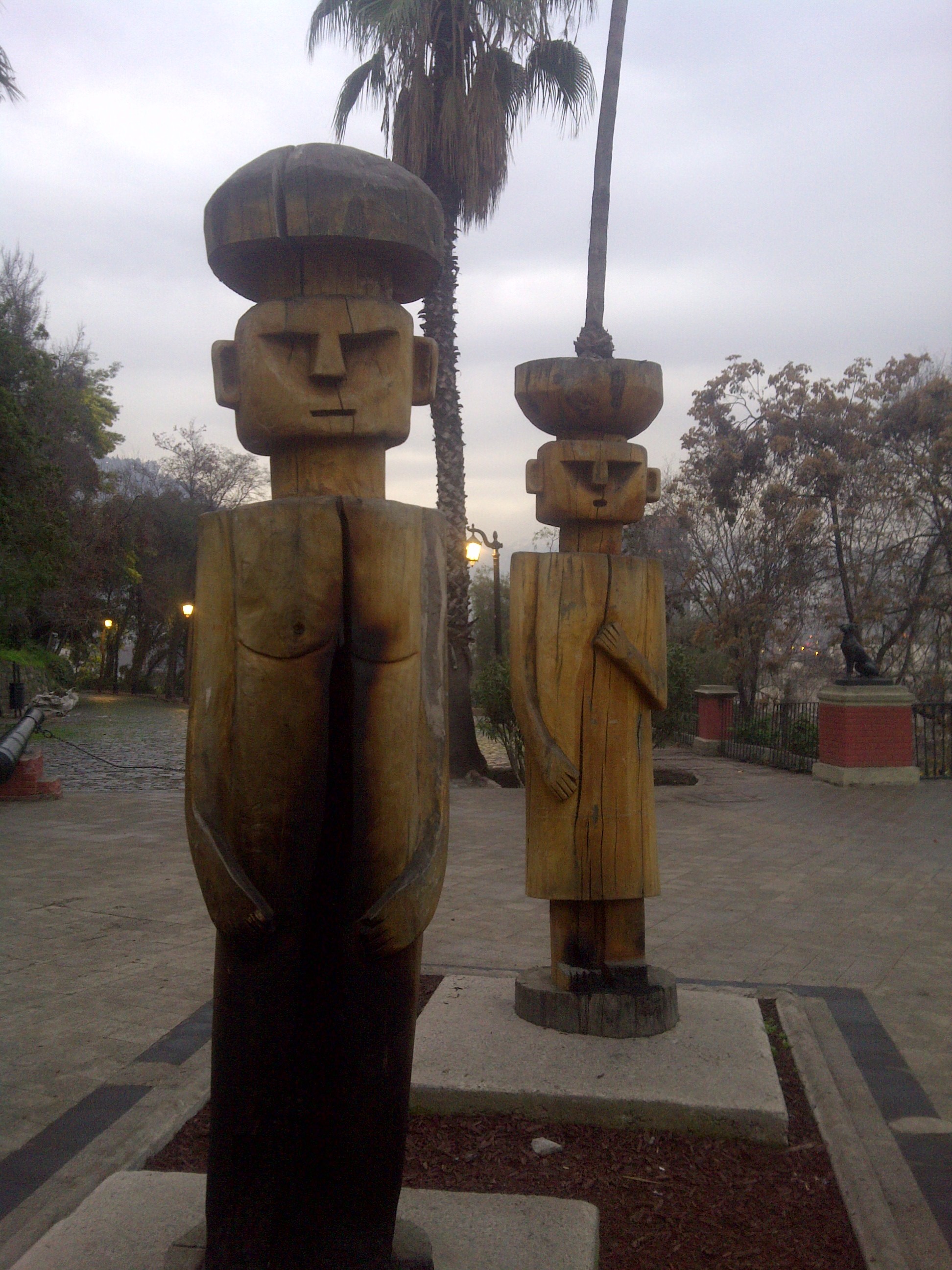
I proceeded to walk towards La Moneda in El Centro, touring Park at Cerro Santa Lucia, the National Library and St. Sebastion Church along the way. Each place offered further insight to Chile’s history and culture. In 1816 during the Independence war, the Spanish defended from a Greco style fort with a chapel and canon, which is fired everyday at noon. Statues from the indegionous peoples, Polynesian Rapa Nui of Easter Island, stand in a patio among statues of Greek Gods, Christian Icons and Spanish Generals. I followed tradition and turned my back to the fountain and tossed a coin in hopes of returning just like the Trevi Fountain in Rome.
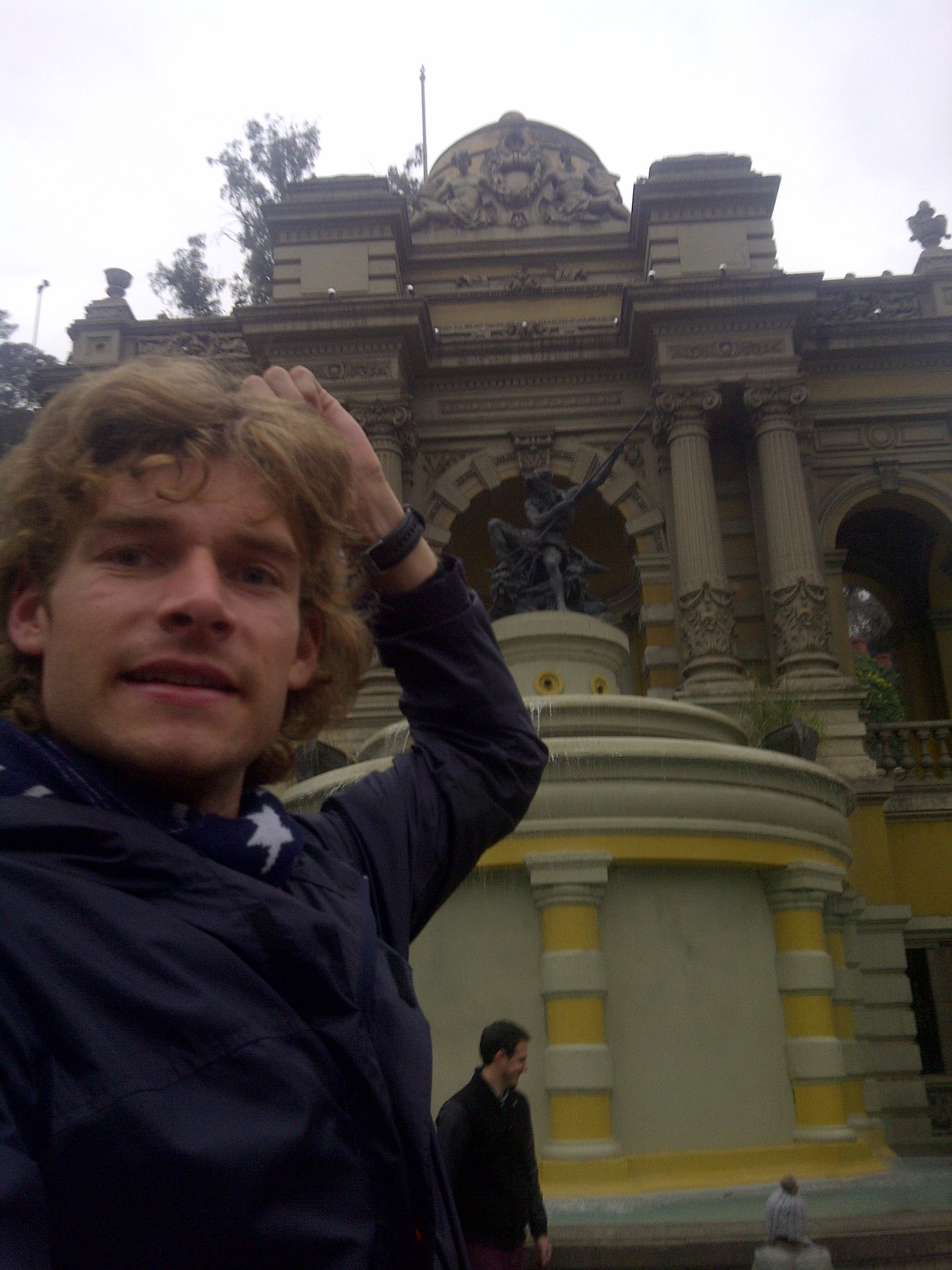
The library has gone ‘e’ with a digital collection and directory of books. On display were photos and short histories of how Sergio Livingstone, Chilean futbol arquero y periodista and of escritor Juan Enmar introduced the modern era to Chile. St. Sebastion was a beautiful church and had a indigenious museum with handcrafts from the Mapuche and Aymara.
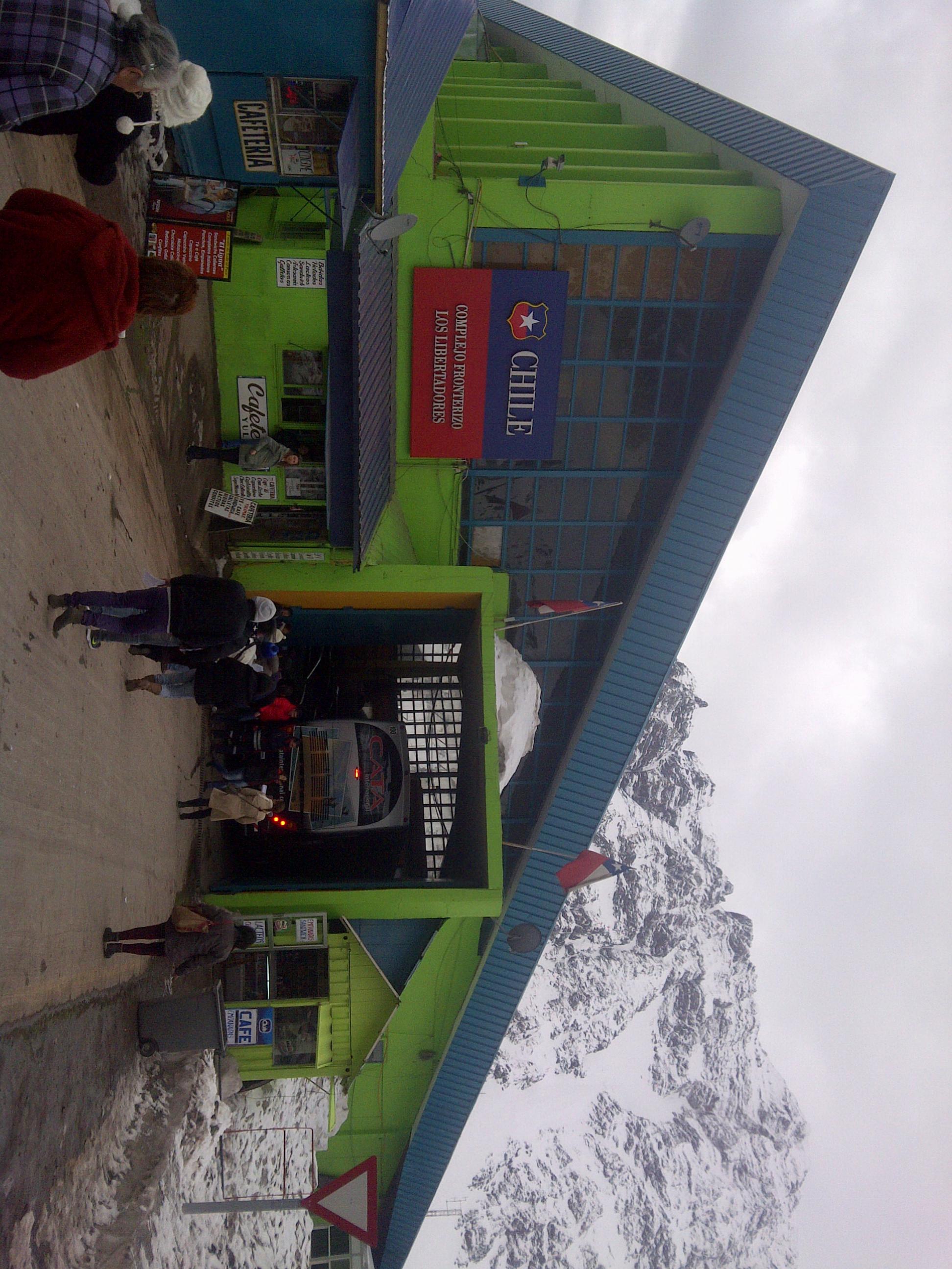
I considered visiting Chile but I did not include it in my itinerary because there is a limit to how much time, interest, energy and money one has for a year of traveling around the world. My plan was to spend more time in Buenos Aires and take a short trip to Uruguai. However, Ricardo convinced me otherwise after our scuba diving trip to Abrolhos, so I met him in Santiago. The short of the following story is that I’m really glad I visited and I hope to have a chance to explore more of the beautiful country in the near future.
Ricardo arranged my stay at Carolina’s house with whom his 11 year old daughter Katalina lives. I learned the ins and outs of the house and they showed me to Katalina’s room which they prepared for me on the second floor. I was most grateful for their hospitality and comfortable accomodation and did not mind the pink colored flowers and dolls.
Ricardo invited me to his apartment for ‘Once’, Chilean custom of conversing over light food and drink prior to bed. He lives there with his wife, Karen and her daughter, Amanda. Karen is 14 months pregnant. She and my sister ‘debian estar en la misma fiesta’ because I learned from watching a recorded news clip from Abigail that she is going to be a big sister! Congratulations Marie and Ford, looking forward to welcome the new bundle of joy in January.
Abigail´s news: http://youtu.be/o81JfBm1zvA
I planned on skiing with the Fonsecas, but I felt ill, so I spent the day resting and exploring the area around the house, which included a tour of La Vina Cousino Macul. A German couple and a Mexican couple were also on the tour. Maybe I could act as translator between Spanish and German for a free case of wine! No such luck as our guide gave the tour in English, the common language for which everyone could understand. Cousino Macul is one of Chile’s longest producing vineyards, founded in 1856 by don Matias Cousino, who was a significant political and economic figure in Chile’s industrialization.


Its iconic Lota wine is made from the finest hand selected grapes, grown on 80 year old vines that thrive in the mineral rich soils of this Andean valley. What sets these vines apart from others, is their output of only 6-7 clusters, rather than the average 12-13, which results in a densely concentrated grape. Our guide showed us younger vines, from which different varietals of grapes are harvested for production of their other wines, including Chile’s own Carmenere. He explained that most of the vines are now grown on their newly acquired land further south because with Santiago’s growth and rise in cost of land, they’ve had to sell off hundreds of acres.
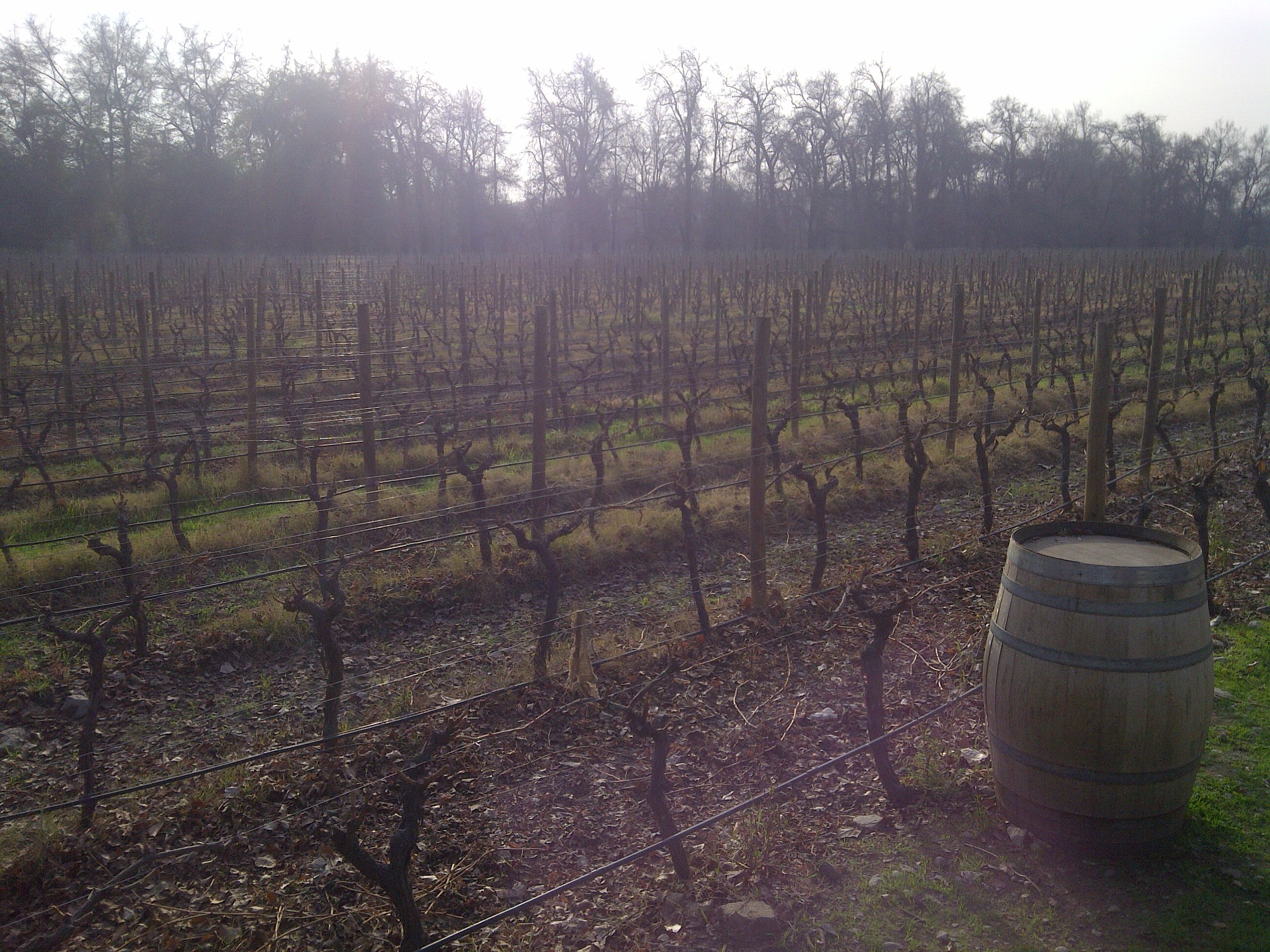
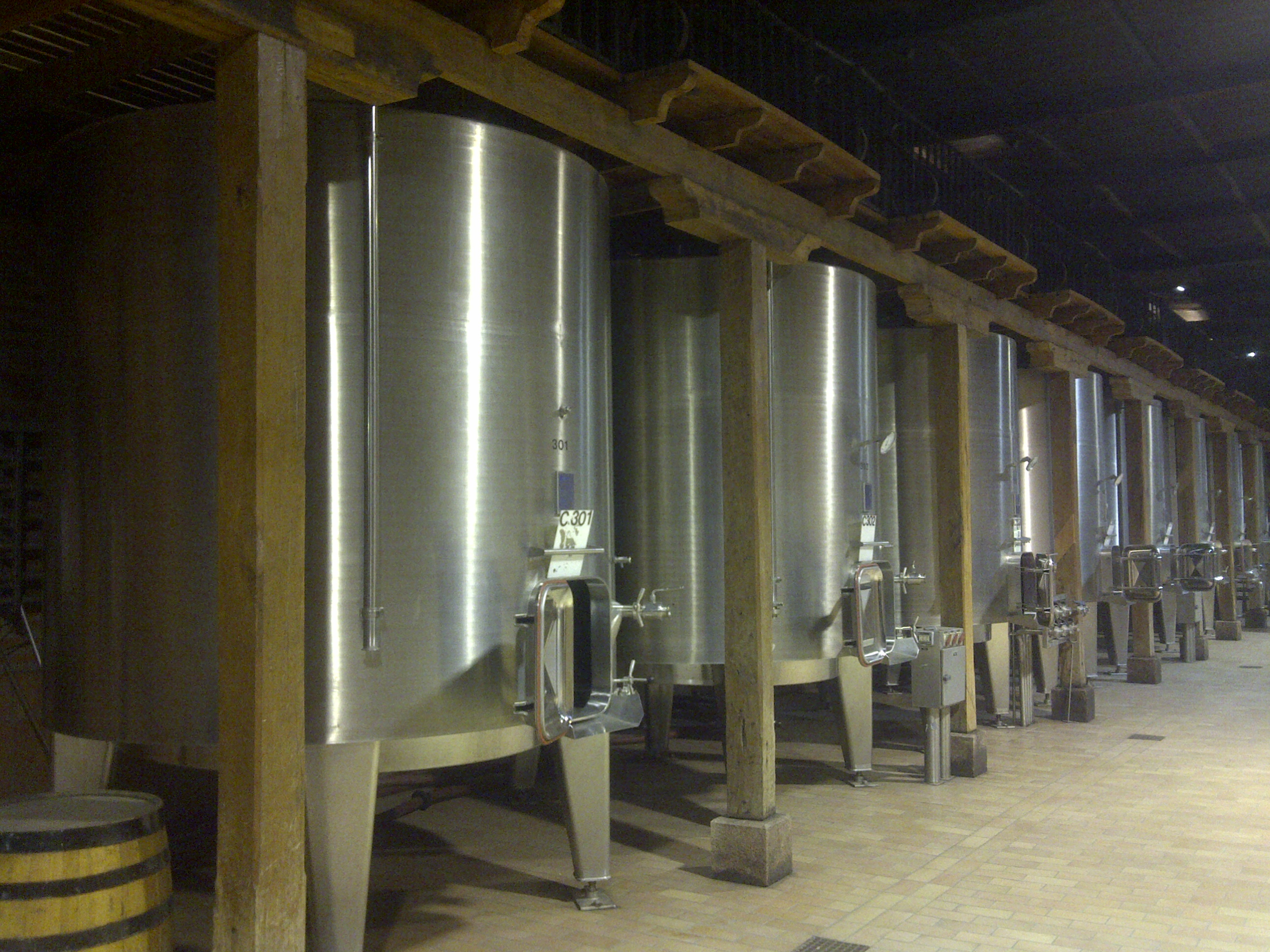
He then led us into the fermentation warehouse where we walked in a tunnel of 5 meter tall barrels with a capacity to hold 60,000 liters. These were used up until 1994, when the winery had to make the transition to stainless steel tanks in order to remain competetive in the market. Now they are merely preserved and left on display as a memory to traditional methods. The modern stainless steel tanks are computer-monitered 24/7 and speed the fermentation process for the transfer of the wine into french oak barrels to be aged for 3 years when the wine is bottled and aged for another 3 years. Thus my purchase of a 2008 bottle of Lota, the baby I’vel been taking care of until I return to Houston.
large barrels: http://youtu.be/uoq91tTZgSs
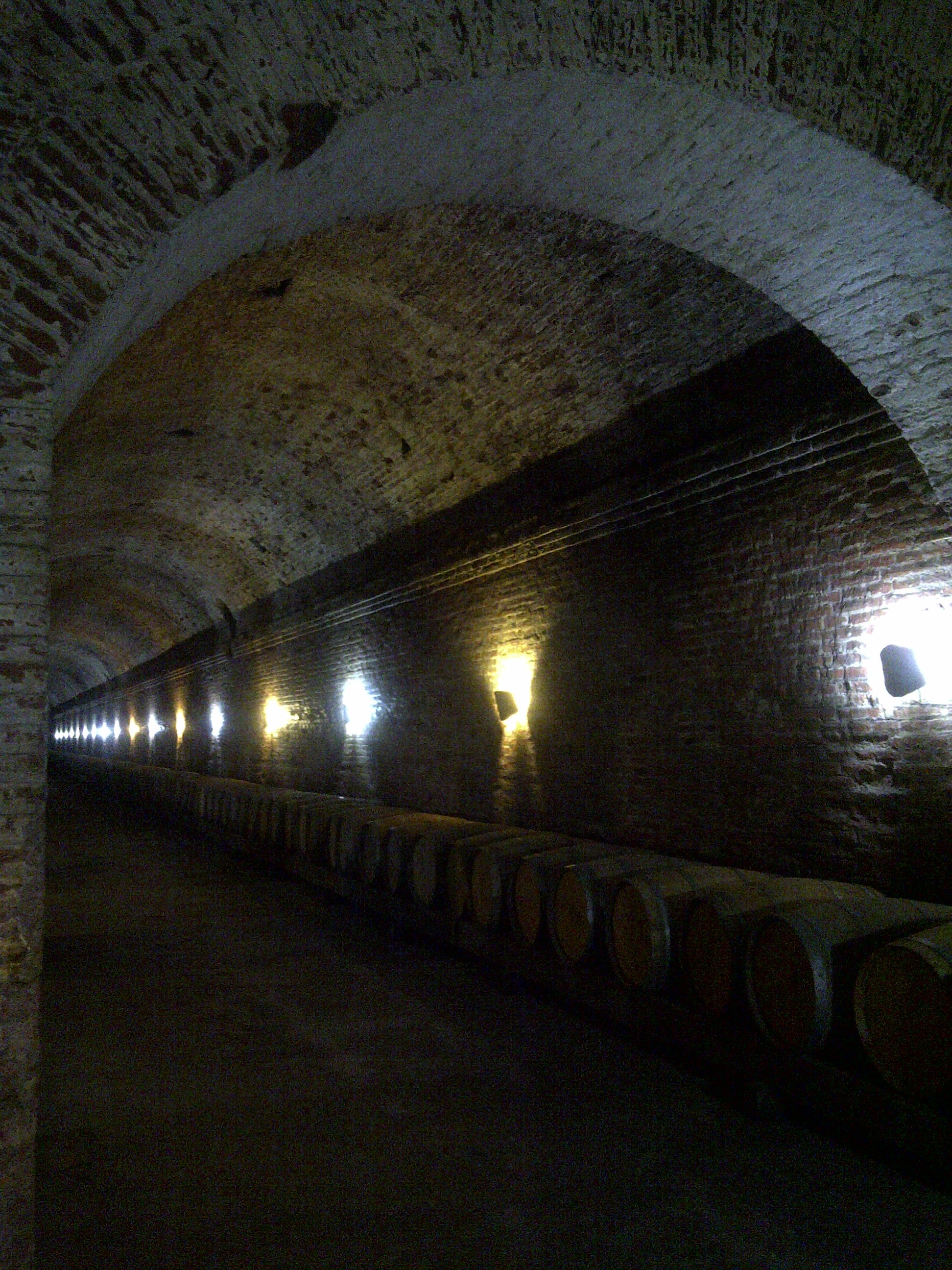
We decend a set of doungeness stairs, dimly illuminated by the flicker of candles. The cellar stays at a cool 12 C, insulated by thick stone walls. It serves as a solid foundation for the warehouse above. The warehouse was constructed using egg shells mixed in the cement to bond Pennsylvania bricks and California Red Wood beam supports. It has withstood earthquakes measuring up up to 8.8 on the Richter Scale.
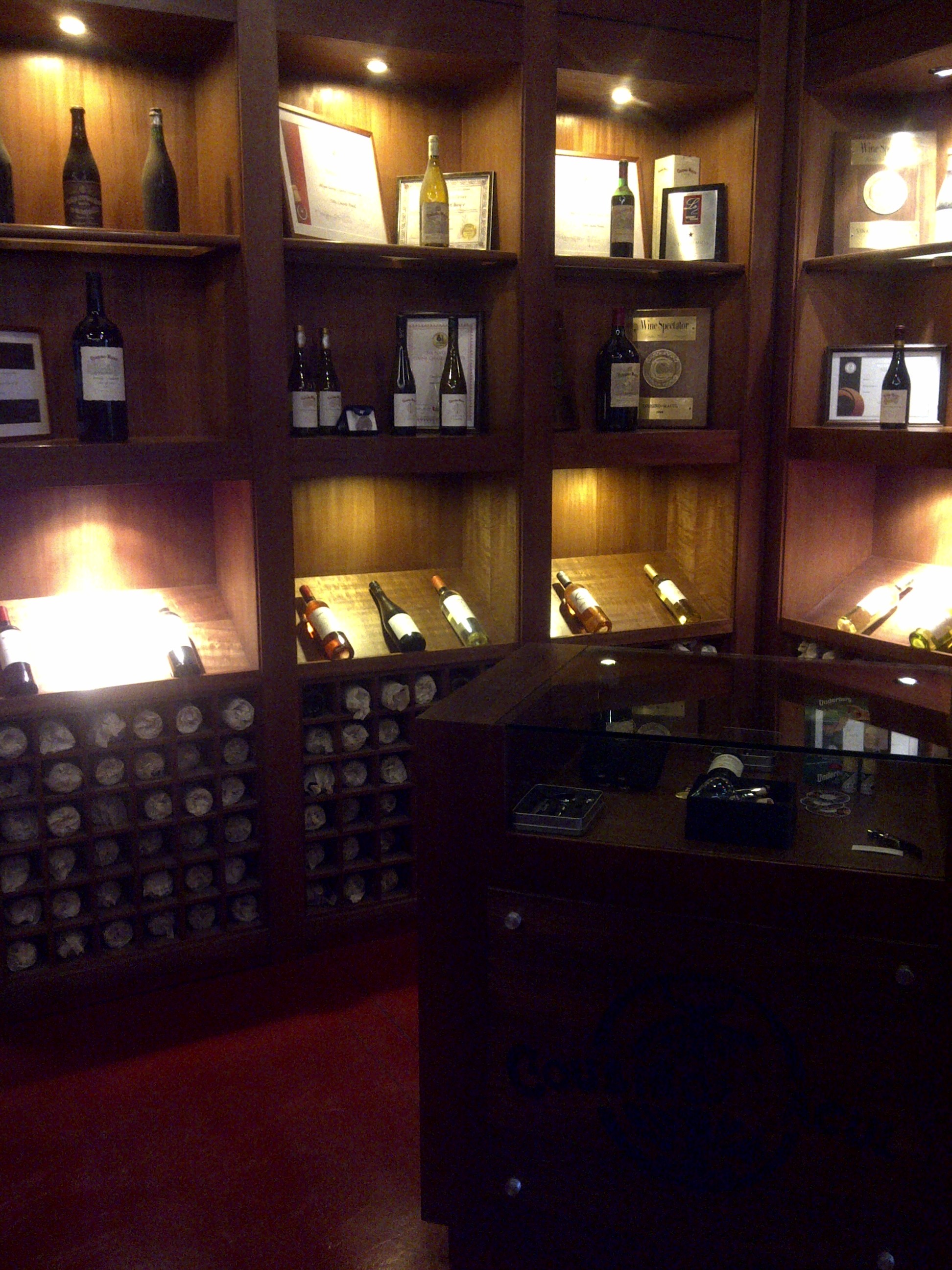
Below in the cellar are hundreds of Gran Reserve bottles collected in the winery’s ‘Biblioteca’. Reading the labels of the wines is a chronicle of the vineyard’s history. We would not get a chance to taste any of these wines but we were given a glass to try a 2013 white wine Gris Cabernet Sauvignon, 2013 Reserva Don Matias Carmenere, and a 2011 heavy bodied Antigua Reserva Cabernet Sauvignon.
15 years ago Caio came to Houston for a foreign exchange program during which time my parents hosted him for a couple weeks. 6 years ago, Caio and his parents opened their home to me and my parents. 3 years ago Caio traveled back through Houston to visit us with his newly-wed wife, Marinha. Now they opened their home for me to stay and I got the opportunity to meet their 6 month baby, Julha for the first time. As is typical for most households in Sao Paulo, Caio and Marinha have a housekeeper and a nanny, whom I also met. Maids generally wear a black dress with white stitching and a hat. They attend to tasks around the house, such as cleaning and cooking. Nannies wear all white clothes, generally pants and a long sleeve shirt and help attend to the needs of the baby. After breakfast I joined Marinha, accompanied by their nanny at Pinheiros Club to enjoy the outdoors with Julia. Caio is a Corithians fan but he allows this, haha! Many other nannies were there with babies and children while their parents are at work. I ran around the grounds for tour of the club, which is more than just a Futebol club as it has numerous athletic complexes and offers many services, such as an olympic size pool, tennis courts, squash gym, yoga, tai kwan do, school, camp, gymnasium, mini zoo of parrots and parokeets, restaurants and a lake. Come to find out the female winner of this year’s Ironman Brasil trains here and finished with a record time.
While Caio and Marinha took Julia in for her check up, I visited the Art museum, The temporary exhibit showcased surrealist art and modern art and a permanent exhibit was from the rennaisance period. Outside was a display of the Amazon in photographs that took 6 years to comple and showed the depths of the jungle from where my trip in Brasil began, http://youtu.be/4kuW8RmeEgk I took a stroll through Ibirapuera Park.
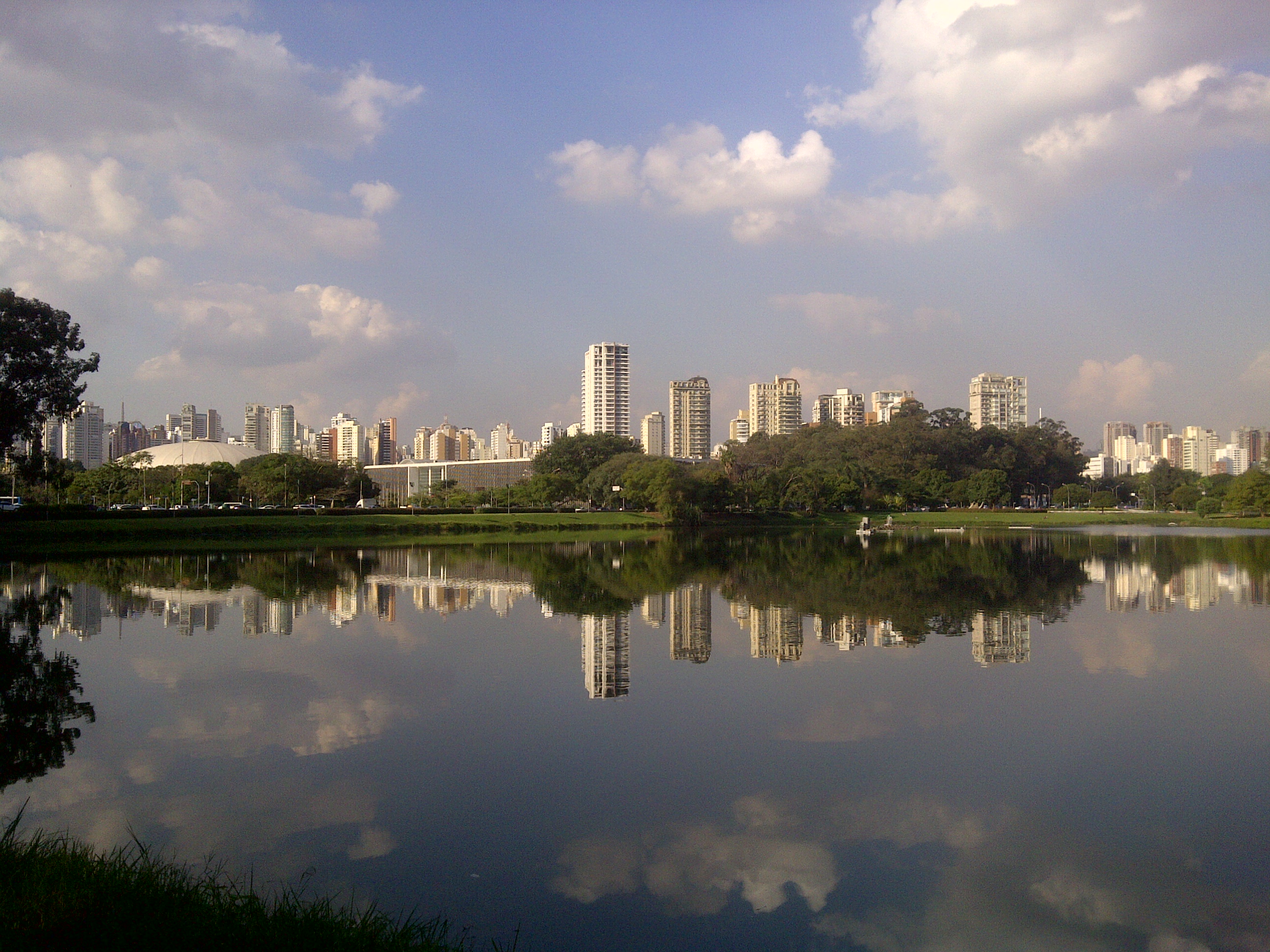
I enjoyed scenic views of the city from the lake and people enjoying the outdoors, including skate boarding, soccer and this rock throwing, http://youtu.be/Q4EYjZmbf3Q I visited the Afro musem, located inside the park, which displayed the history and culture brought by the African peoples and how they helped shape Brasil into what we know it today. After Julia checked out healthy by the doctor, Caio and Marinha piked me up t Unique Hotel, where I went up to see a panoramic view of Sao Paulo. This was where Cio first took Marinha on a date. I noticed this pedestrian signal followed the theme of the Monument of the Flag.


Caio invited me to their family’s beach house in Guaruja. We did not know what to expect of the weather, but we made the most of the trip, taking relaxing walks drinking coco along the beach, eating good seafood, wathing movies and playing with Julia’s older cousins from Marinha’s sister. They invited us to their house for a BBQ, including picanha and finishing with a chocolate brigadero. Their house is located on the hillside nestled within Atlantic forest where beautful birds constantly fly by. We enjoyed a different view from the ferry on our return.trip to Sao Paulo.


Caio showed me the Futebol Musem located in Corinthian’s old stadium and Sao Paulo’s largest and busiest fruit market. We visited Caio’s parents’ house for lunch and to say our farewells. I joined Caio at his office for the afternoon, where his dad gave a tour. The road is under construction to be widened, which is good for the freezer storage business as it allows more trucks to enter and leve each day. They are expanding their parking lot and have plans to add another 3 levels to the warehouse. After the tour, I enjoyed a final Rodizio with Ciao and his father to send me on my way. It was Caio’s first time visiting the new terminal, which since a private enterprise runs the airport, was built in an impressive 579 days to be ready for the World Cup.
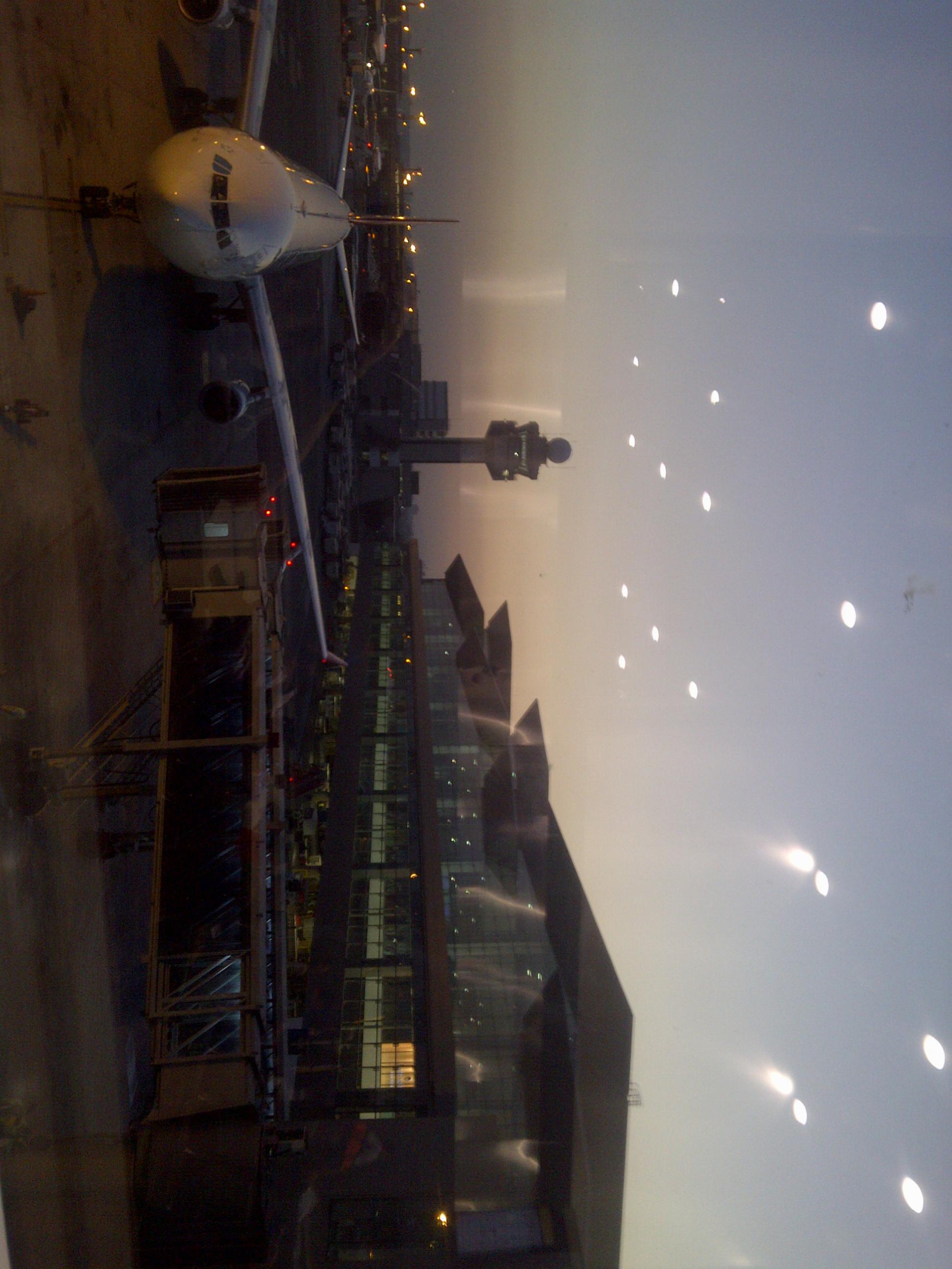
I remember seeing cyclists pedaling up to Cristo Redentor, so Chris and I decided we would run up Sao Conrado through Tijuca National Park. I think we underestimated the length of the trip, which was about 18 hours. We did get to appreciate some great views despite the low lying clouds.


We visited the Stairs of Lapa, http://youtu.be/R5MRdCy8H9k It was a project of Chilean artist, Jorge Selaron, who decorated the stairs with tiles from around the world Other artists have displayed their talent with graphity on the walls of neighboring streets. While in Lapa we also walked by the arcs and the Cathedral then took in the views along Leblon Beach. Then it was time for Chris and meet Evelyn in Peru. Chris was a great travel companion for the 2.5 weeks through Brasil and made experiencing the World Cup much more fun. I hadn’t planned much for the trips we made, so Chris’ planning was monumental in being able to secure tickets through FIFA and finding places to stay. Now I’m on my own to plan my explorations. We hope our paths cross again in Tanzania to hike Mt. Kilimanjaro or in Nepal to hike to Mt. Everest base camp or to enjoy some drinks somewhere in between.
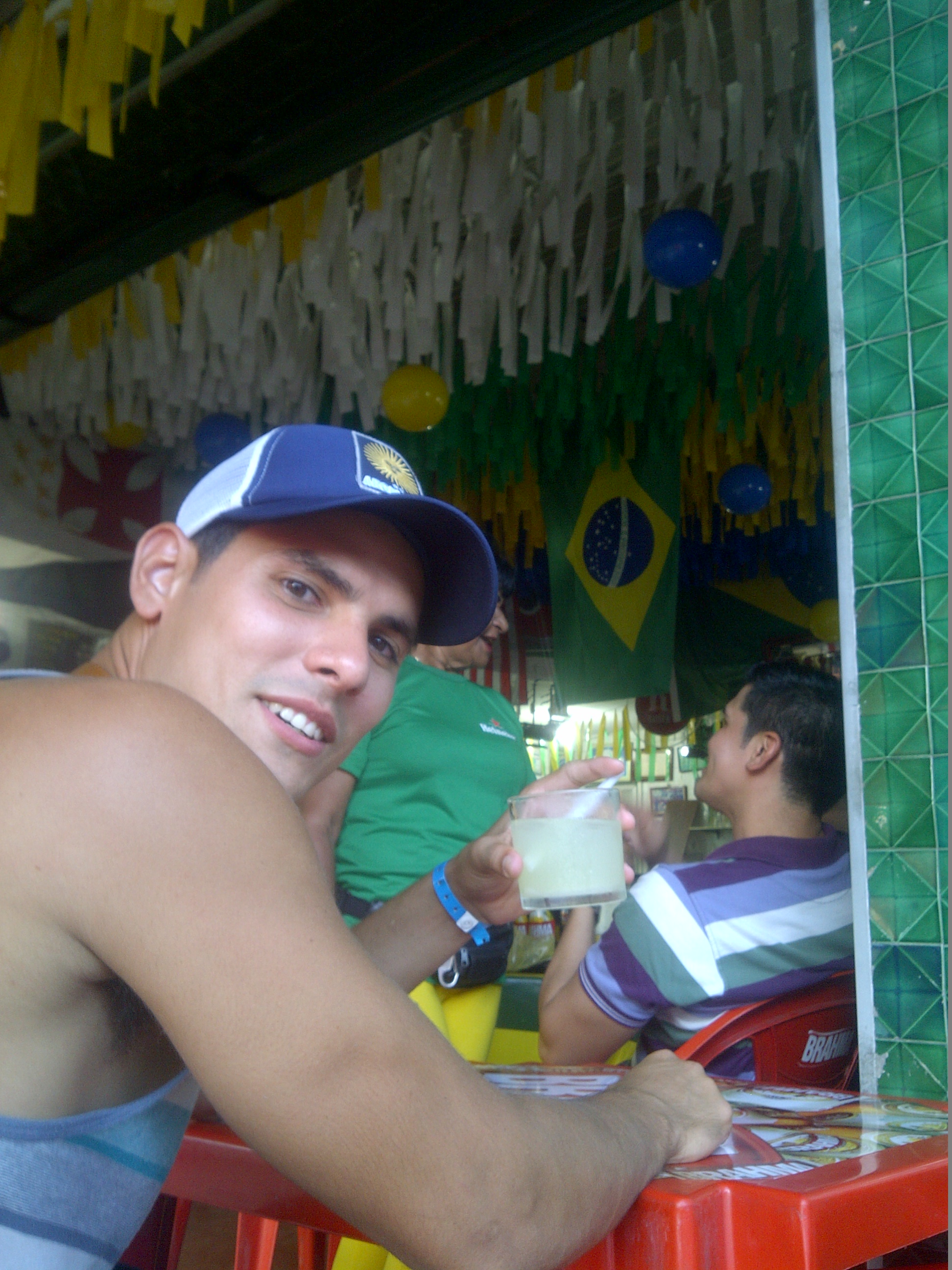
I was not successful in renting a BikeRio bike from the many stations around the city so I kept with metro and going by foot. It rained for a couple days, so I found indoor activities visiting museums and churches. Highlights included the national library, Nossa Senhora Candelaria Church and a Salvador Dali Exhibit. Dali’s exhibit was very comprehensive and I left impressed with his creative surrealist artwork, philisophical literature and genius inventions.
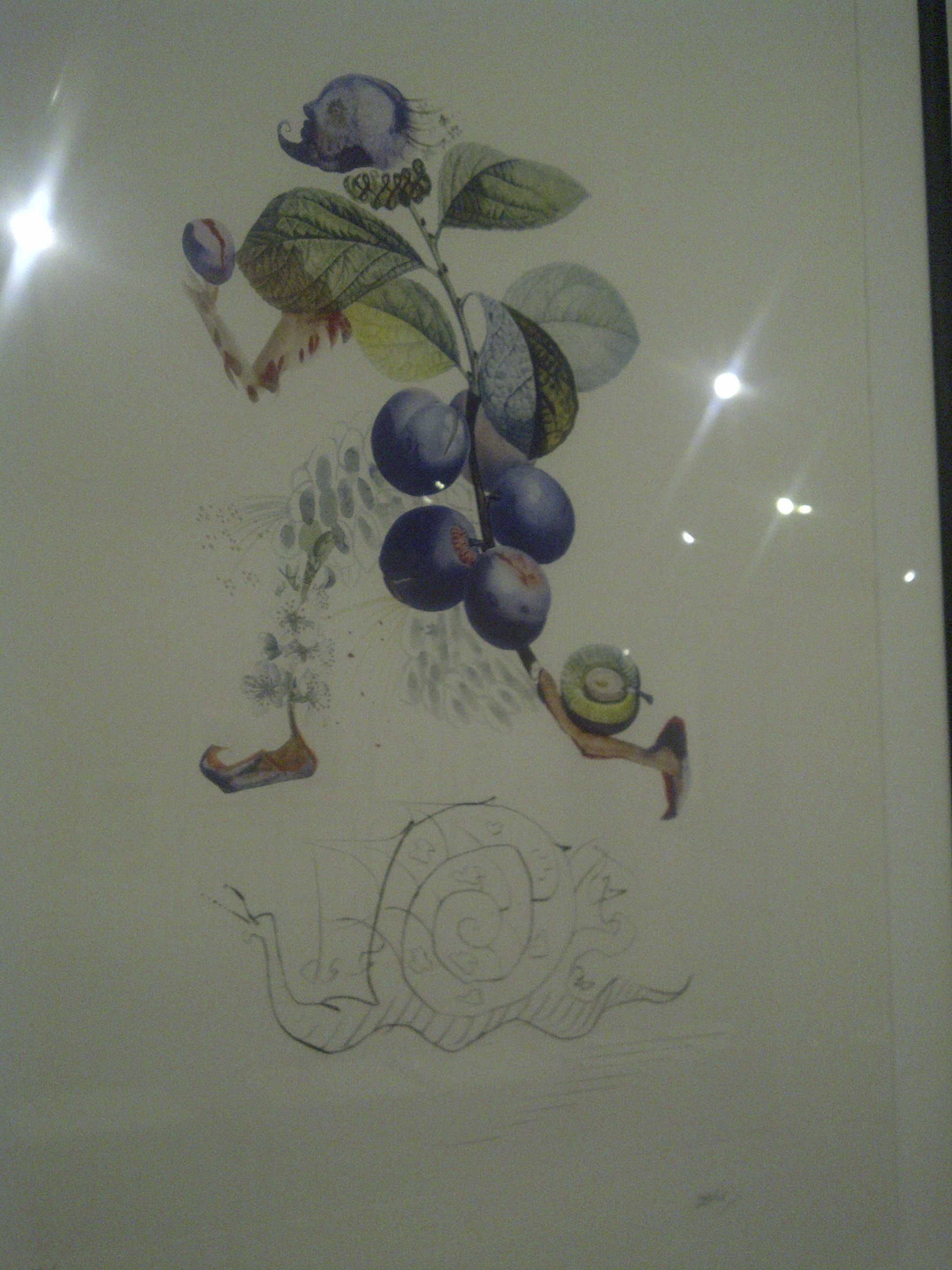
I also participated in a Cook in Rio class. Chef Simon guided 10 of us in preparing a traditional Brasilian meal of fish with plantain farofa
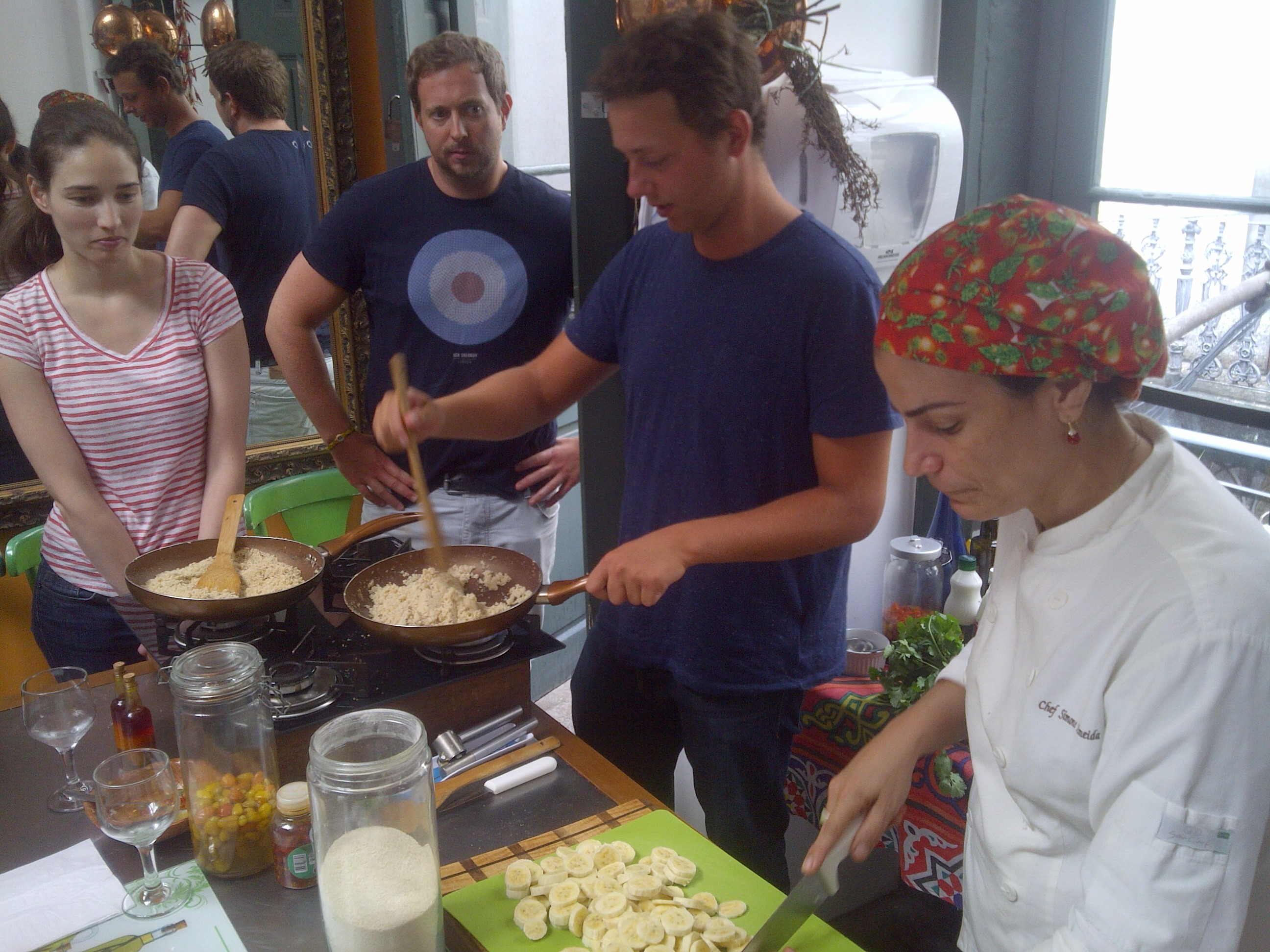
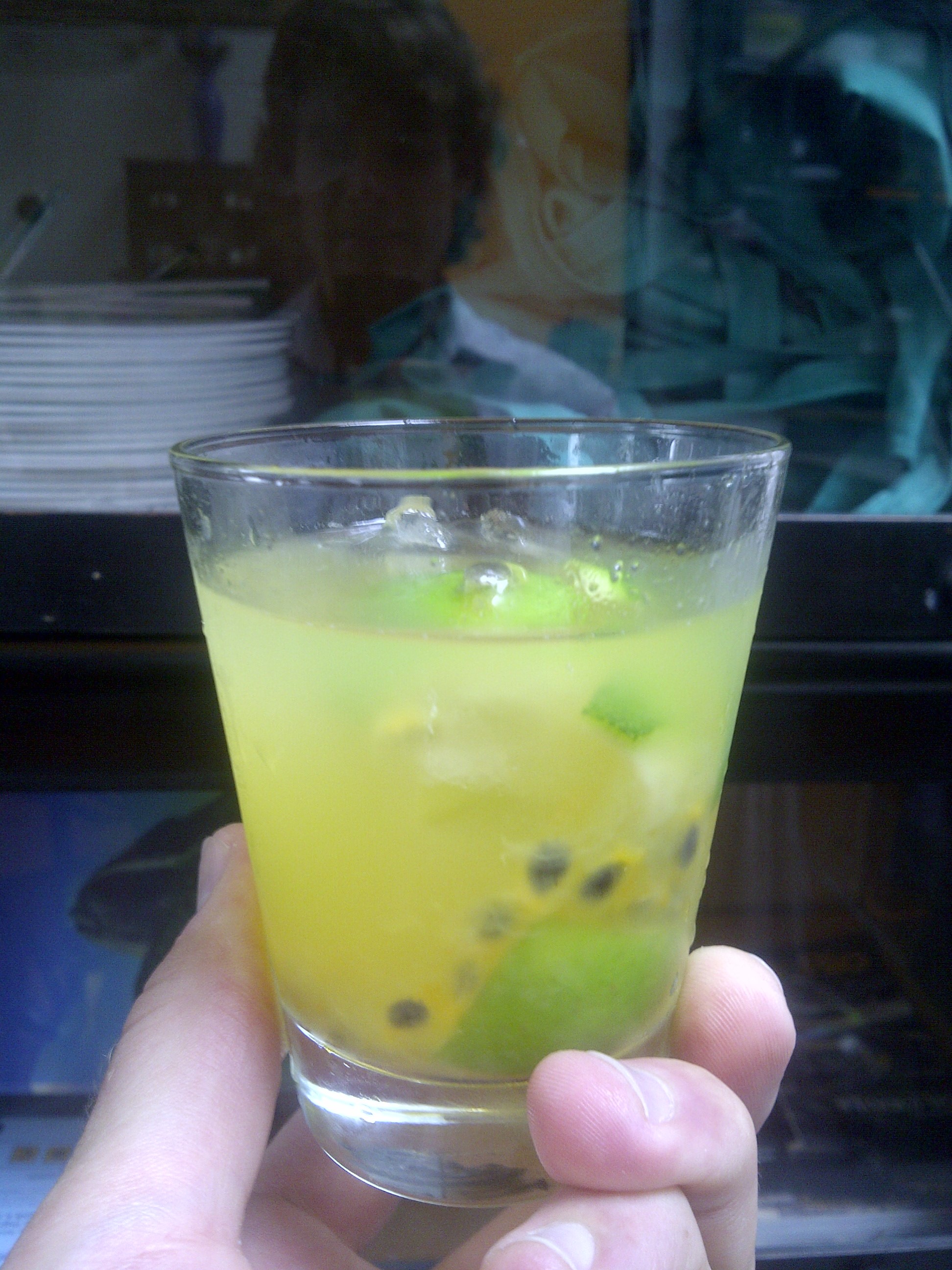
And caipirinhas of course! This one with passion fruit.
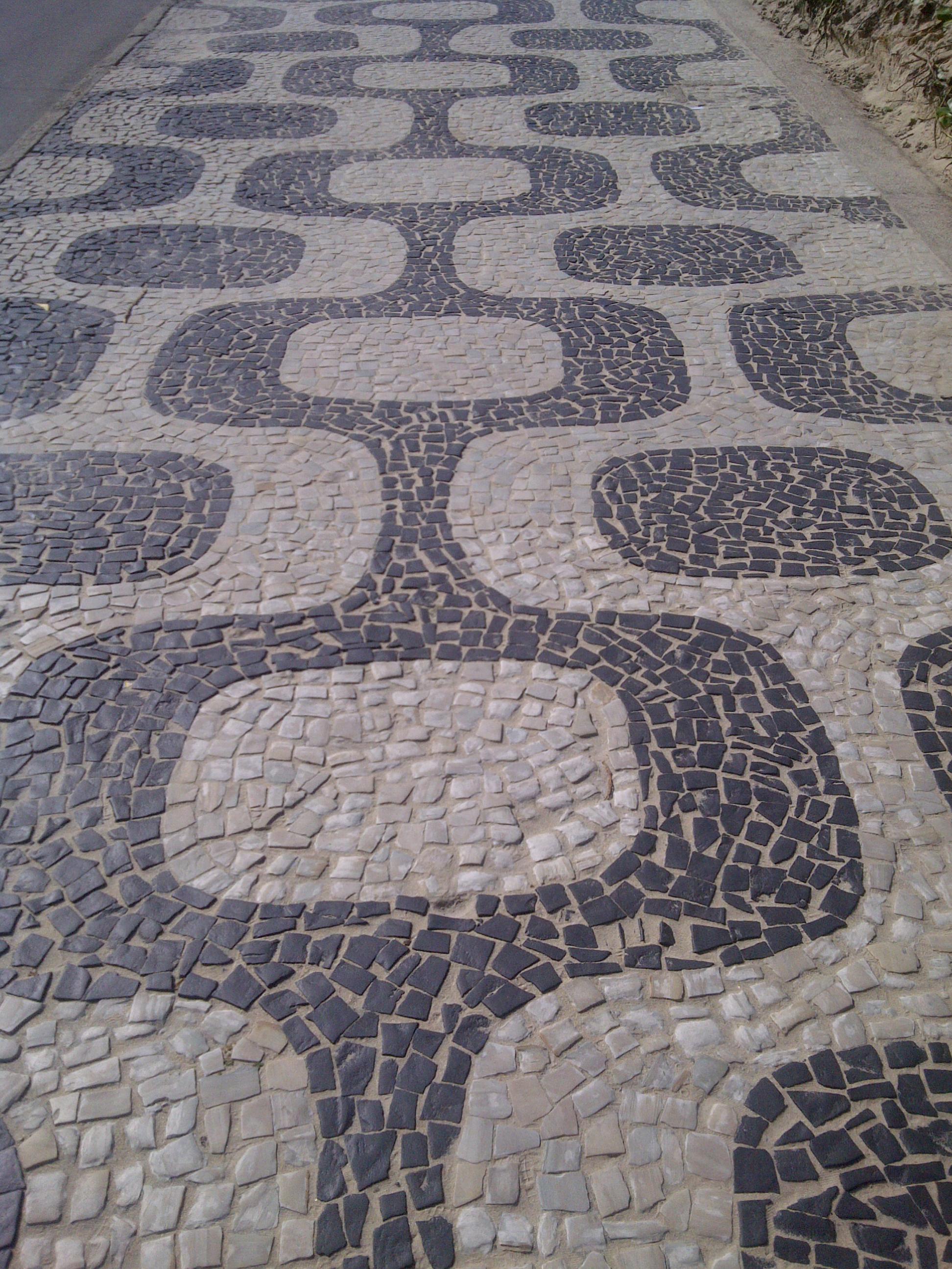
When the sun decided to smile, I joined the Fonsecas for a walk down Ipanema Beach while the street was closed off to traffic for cyclists and pedestrians to enjoy.
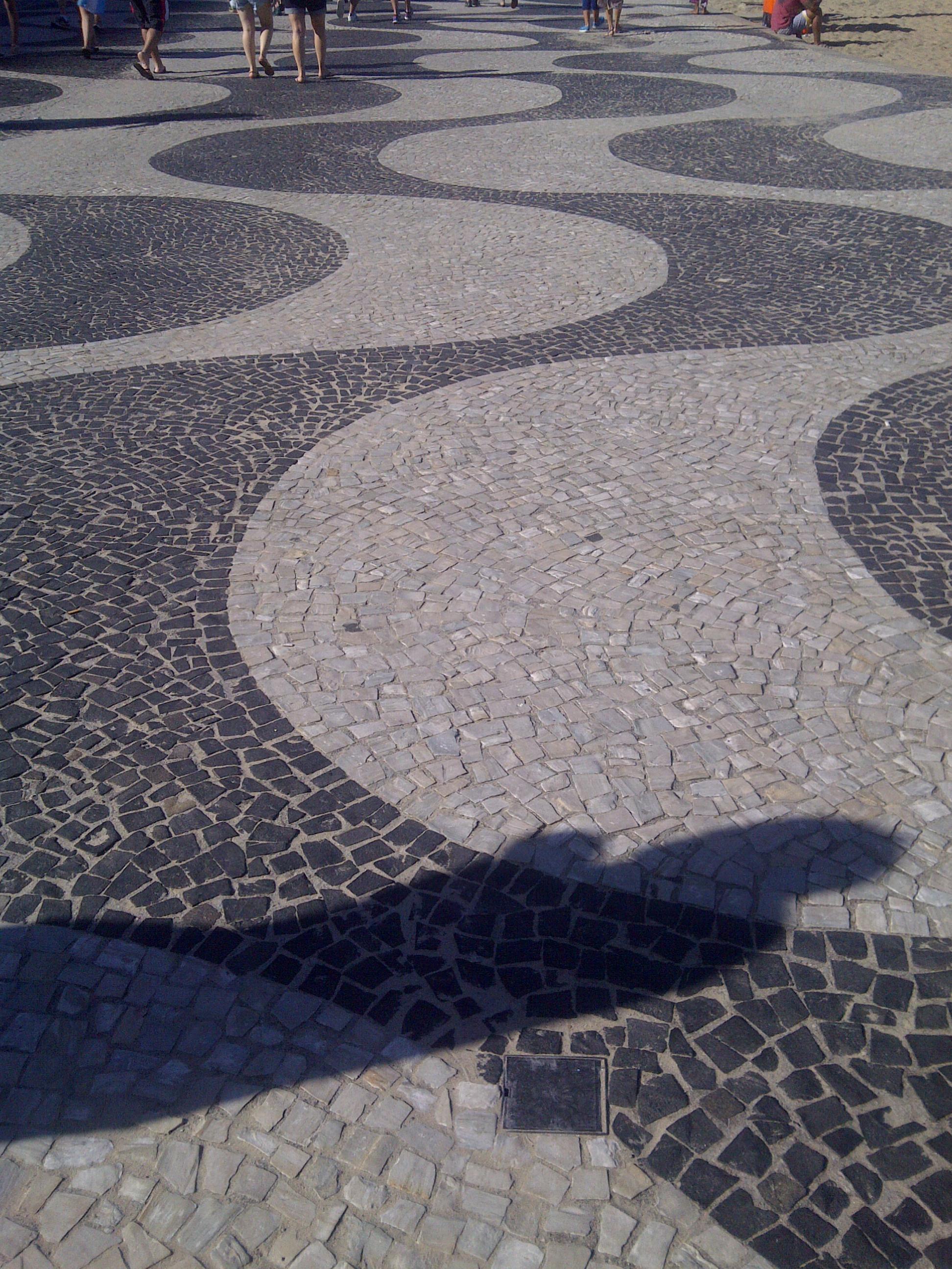
I bought a coco to drink while walking Copacabana beach, watching surfers and games of futevoley on the beach.
I continued walking to Leme Beach to see the Berliner Bears on Parade promoting world love, peace and unity. It just so happens that Brasil is celebrating the year of Germany and the Berliner Bears from 150 nations were on Leme Beach. It was quite spectacular seeing all the different art designs from each country. http://youtu.be/dPXyD4Svz3s, http://youtu.be/oOQmzKRguzY
I visited the Sambadrome, where Carnival is celebrated every year before the Christian observance of fasting, alms giving and prayer during Lent. The Sambadrome will be the finish line of the 2016 Olympic Marathon, so I took a picture to motivate Brandon in his quest to compete in the paralympic games. Now though was a different atmosphere with the plaza full of Argentinians camping in their cars after having driven to Rio to spport their team in the World Cup Final game versus Germany. I tried to get some of them to join me in dancing some Samba moves, but I think a little aguardente would help, http://youtu.be/UR4bAoRDOOk
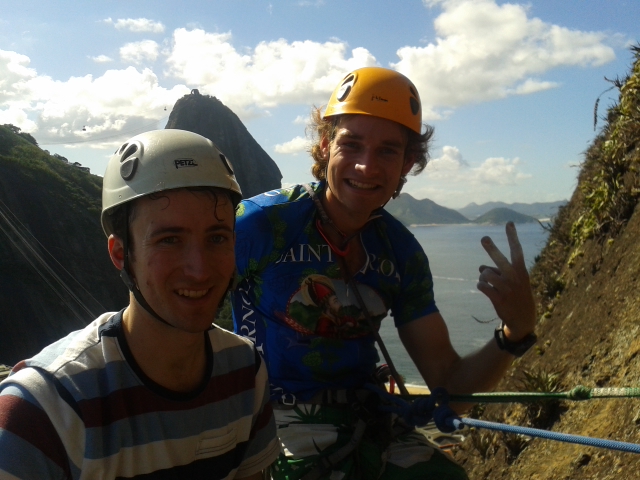
I also went rock climbing on Urca, a rock formation at the base of Pao de Azucar that offered unique views from the vantage point along the face of its vertical sides. My guide’s name was Andrew who was also born in Houston, so we got to talk about our days growing up. An Aussie, named Simon was also on the guided climb. Turns out he is a civil engineer, so we got to talk about science and such. Andrew’s afternoon climbers cancelled their reservations so he took us on a bonus climb to a crevice to try crack climbing. At first it looked like it was going to be really challenging, but Andrew called up directions to lead us through the proper techniques, lesson being not in strength but agility and positioning.
 The Schwiet Life